Fuzhou: The Least Fujian-like City in Fujian?
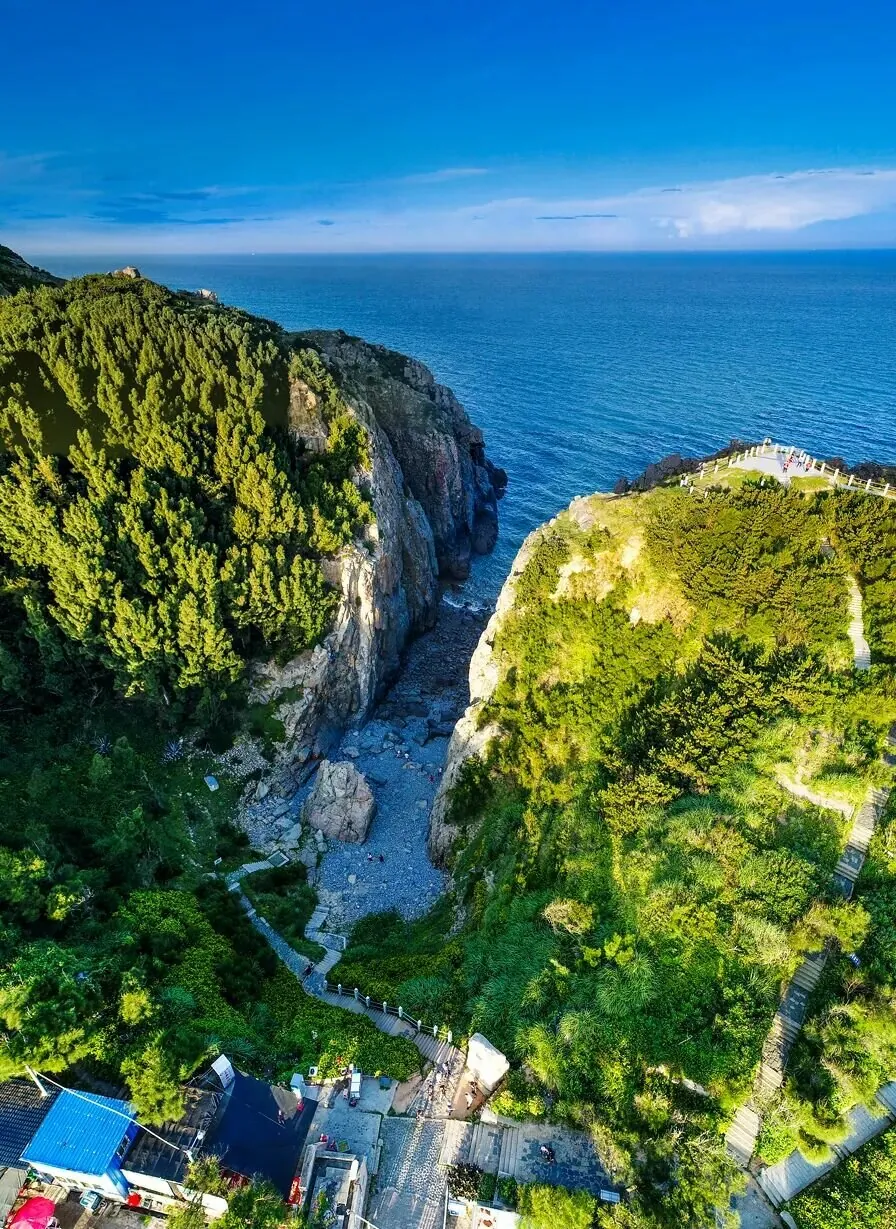
▲ Xianren Well on Pingtan Island, Fuzhou City. Photo by Li Yishuang
Outsiders' perception of Fujian likely begins with two things: first, the Fujian-accented Mandarin in Spring Festival Gala sketches, where "Fujian people" becomes "Hujian people"; second, the meme about Cantonese people eating Fujianese.
However, when it comes to Fuzhou, the capital of Fujian, most people lack a clear understanding: Xiamen, in the same province, is known as an internet-famous city for its artsy and romantic vibe; Wuyishan, closer to the inland, is renowned nationwide for its "Da Hong Pao" tea.
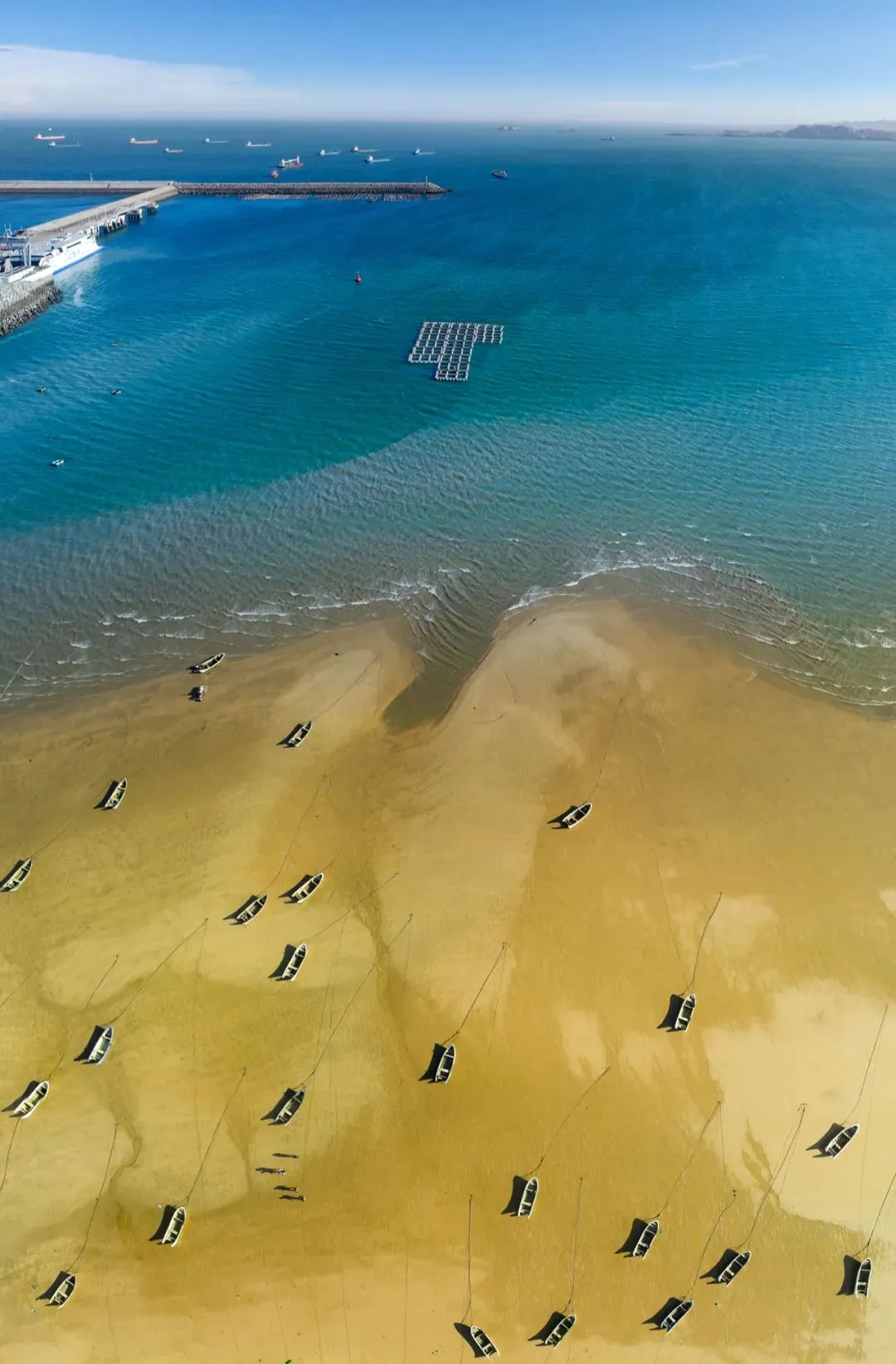
▲ Aoqian Passenger Terminal in Pingtan County, Fuzhou City—half yellow sand, half blue sea. Photo by Li Yishuang
Fuzhou, 1,888 kilometers from Beijing, is like a familiar stranger: fish balls and Buddha Jumps Over the Wall are local specialties; Lin Zexu, Yan Fu, Lin Huiyin, and Bing Xin are renowned figures from Fuzhou.
Yet these are only the tip of the iceberg of "Greater Fuzhou," which spans 11,968 square kilometers.
Why has this treasured land never been "contested by military strategists"?
The phrase "a place contested by military strategists" is often used to describe a location's importance. However, despite being the capital of Fujian, Fuzhou has earned the opposite nickname: a place not contested by military strategists.
This can be understood in two ways: first, strategically, its harsh natural conditions offer little value for exploitation; second, even if it were worth contesting, occupying it would lack a resource hinterland and be difficult to defend.
▲ Cloud-covered Guling in Fuzhou. Photo by Qiu Jun
Located in the southeast of mainland China, Fuzhou borders the Yangtze River Basin (home to Jiangnan) to the north and the Pearl River Basin (home to Lingnan) to the south—hardly insignificant. Yet, its unique topography has made Fuzhou and Fujian a fascinating anomaly.
In China's three-step topographic division, Fujian falls into the easternmost and "lowest" third step, creating a major misconception: shouldn’t it be flat?

A glance at China’s topographic map reveals the truth: wow, Fujian has so many mountains! From southeastern Zhejiang to northeastern Guangdong, a prominent bulge forms what geographers call the "Zhe-Min Hills," with the most densely clustered, rugged, and fragmented terrain roughly corresponding to Fujian Province.
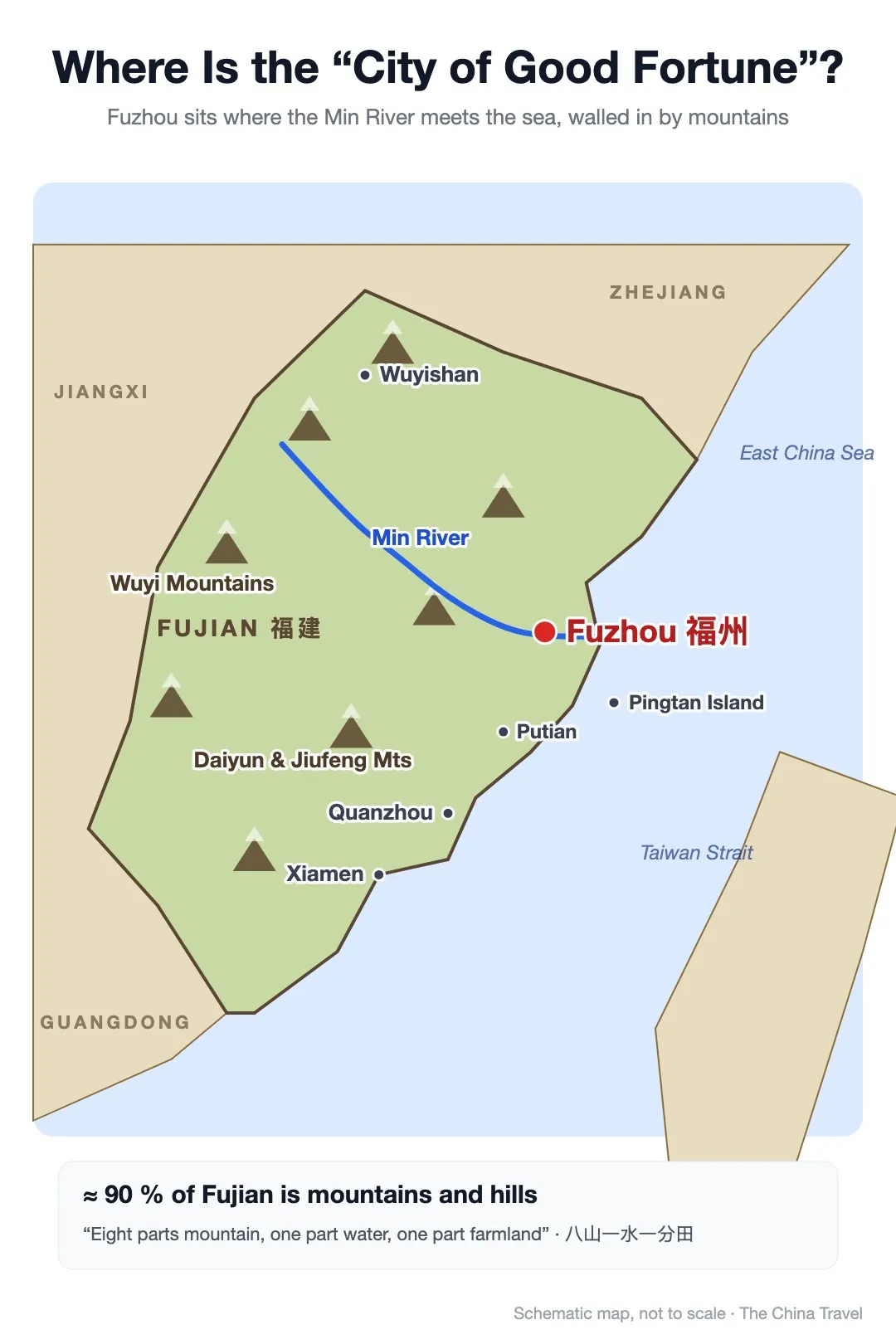
▲ Where is the "City of Good Fortune"? Map by Wu Pan
Jin Yong, well-versed in China’s geography, set the opening of "The Smiling, Proud Wanderer" in Fuzhou. When the Sichuanese of the Qingcheng Sect arrived, they were exhausted by the rugged mountain paths—proof that the "Fujian roads" are as challenging, if not more so, than the "roads to Shu, which are harder than climbing to heaven."
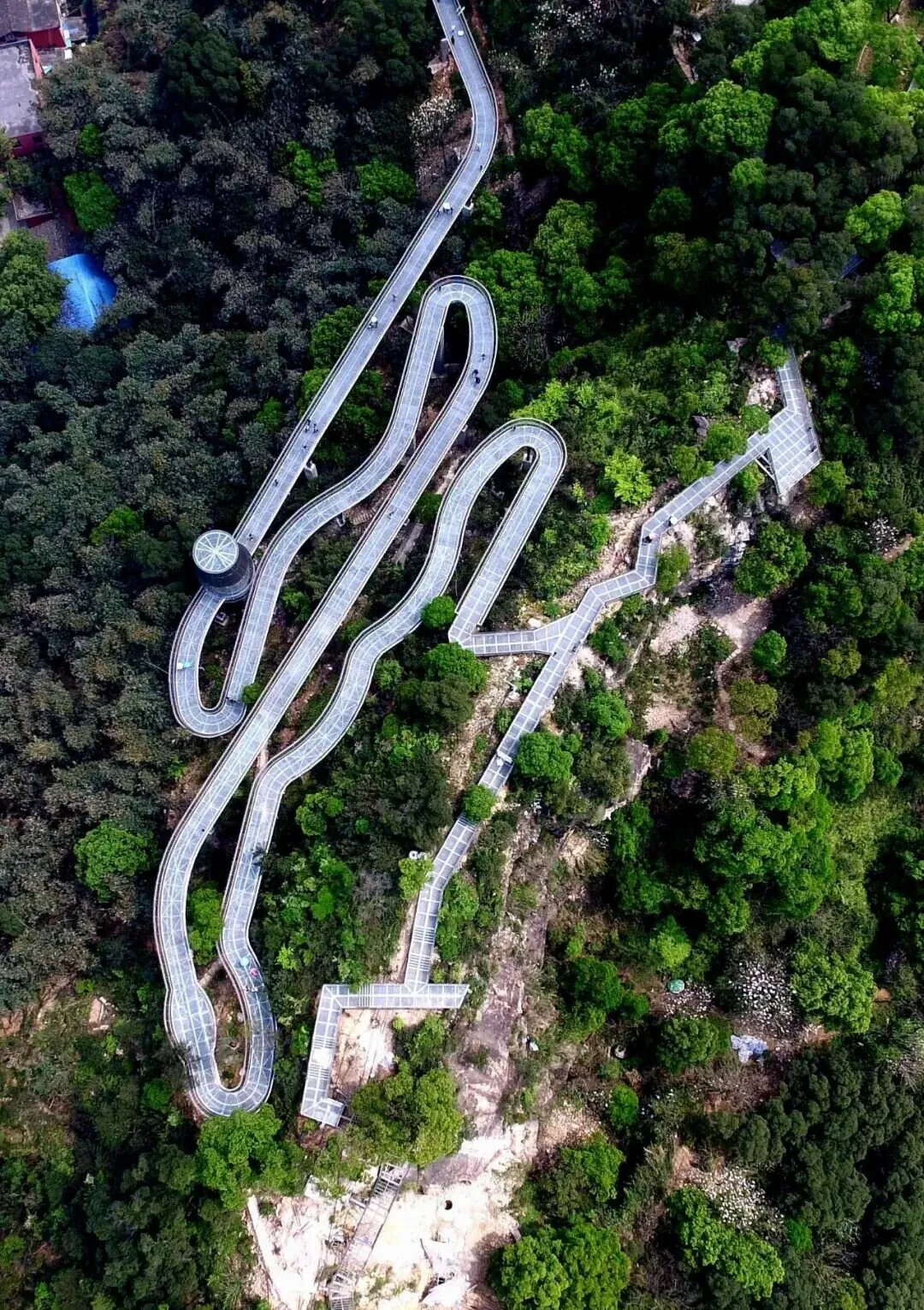
▲ The "Fudao" (Fortune Trail) spanning multiple parks in Fuzhou. Image/VCG
In Fujian’s "mountain kingdom," Fuzhou is a place favored by heaven.
The Min River, Fujian’s largest river, originates from the eastern foothills of the Wuyi Mountains, cutting through the province for over 500 kilometers before reaching a vast open plain—the Fuzhou Basin in geographical terms. Almost entirely surrounded by mountains, it has only a narrow eastern gate serving as the Min River’s passage to the sea.
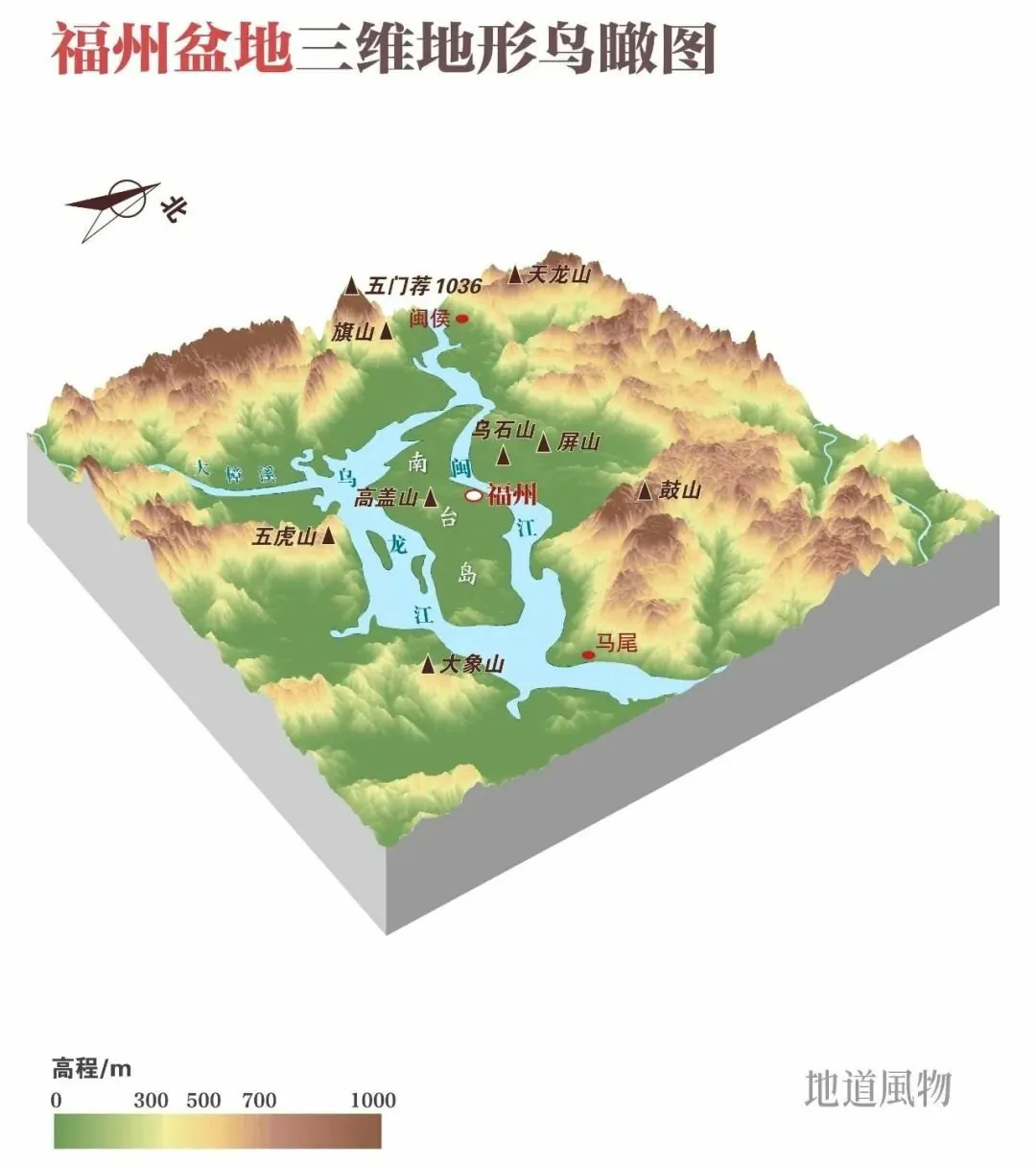
▲ Fuzhou’s urban area, nestled in a "treasure basin." Map by Wu Pan
This precious basin nurtured Fuzhou’s urban civilization, with the main city as well as Changle and Minhou districts situated within it. The ancient capital of the Minyue Kingdom, Yecheng, was located in present-day Fuzhou. While the Fuzhou Basin holds developmental value, reaching it requires traversing mountains—making the cost of contesting it too high.

▲ Green mountains stand like a screen outside Fuzhou. Photo/VCG
The Central Plains dynasties did not absolutely “refrain from contending” for Fujian. After stabilizing other regions, Emperor Wu of Han quickly sent Wei Qing to take charge, penetrate deep into the Minyue territory, abolish the kingdom, and establish commanderies, thereby achieving direct jurisdiction over the Fujian region.
In the Western Han’s war to liberate Minyue, considering Fujian’s mountainous and treacherous terrain, troops were not dispatched from the Central Plains. Instead, local soldiers were recruited from the Kuaiji Commandery in the Jiangsu-Zhejiang area. As a result, without shedding a drop of blood, they quickly reached the Fuzhou Basin. The Minyue people also cooperated by engaging in internal strife: subordinates killed King Yushan of Minyue, opened the city gates wide, and welcomed the imperial army.
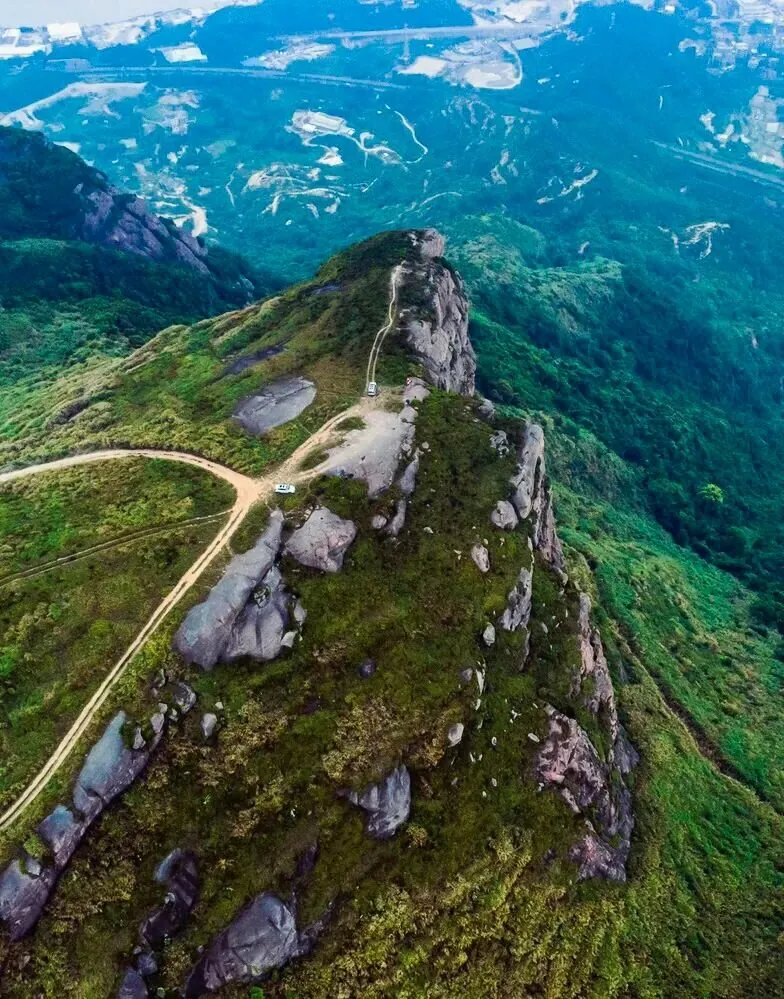
▲ Wuhu Mountain in southern Fuzhou. Photo/Chen Chengcai
Similar scenarios repeated themselves. When the Sui Dynasty pacified Fujian and reached the city of Fuzhou, the war ended once again with the plot of “internal strife” and peaceful liberation: subordinate Wang Guoqing killed the leader Gao Zhihui and pledged allegiance to the Sui Dynasty.
“Refraining from contention” thus took on another meaning: arriving at the city gates and obtaining victory without a fight. The reason was that although Fujian had natural barriers, it was mountainous with little arable land, lacking granary support or sufficient troops.
How could a mountainous and narrow land become the “Land of Abundance”?
“Land of Abundance” is used to describe a place as rich and prosperous. The most famous is the Chengdu Plain. According to historical records, Fuzhou also once earned this title. Moreover, this “Land of Abundance” was not self-proclaimed by the people of Fuzhou but came from descriptions by visitors from elsewhere.
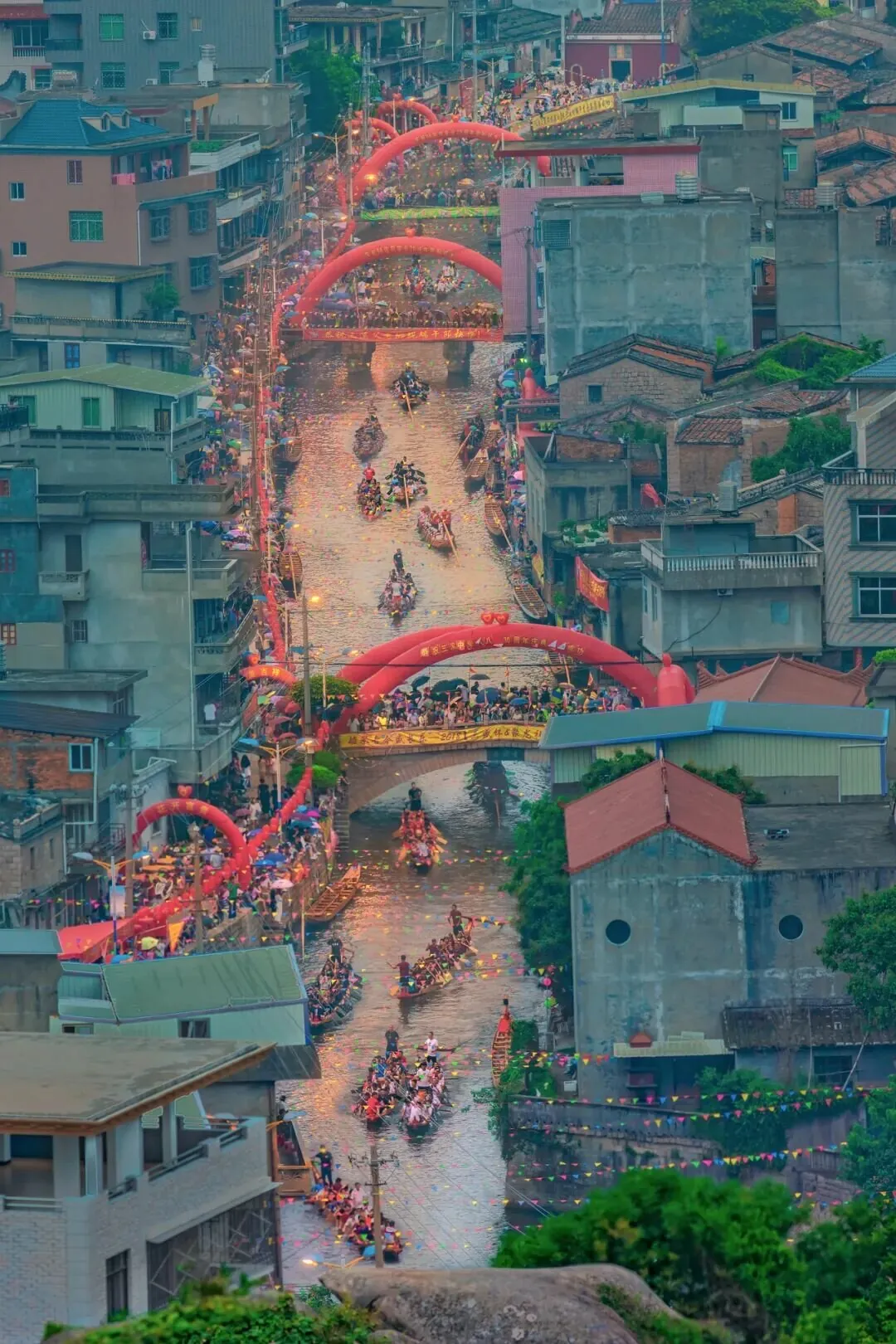
▲ Dragon boat night race in Sanxi Village, Changle District, Fuzhou, during the Dragon Boat Festival. Photo/VCG
Tu Benjun, a native of Ningbo, Zhejiang, who served as a civil servant in Fujian during the Wanli era of the Ming Dynasty, said in his “Min Zhong Hai Cuo Shu”:
“Fujian is indeed a mystical realm, a Land of Abundance,
Following the coast southward, it borders Guangdong.”
So the question arises: Fuzhou and its surrounding areas are full of mountains, and the productivity of its narrow basins is far inferior to that of the Central Plains, Guanzhong, and Bashu. How was this “Land of Abundance” forged?
When heaven bestowed the mountains upon Fuzhou, it did not completely close off passage. First, rivers became the earliest channels—Fujian has many mountains and abundant water. The Minjiang River, the largest water system, created a transportation artery through the mountains, accessible from the estuary to the foot of Wuyi Mountain. The upper reaches divide into three tributaries: Futunxi, Shaxi, and Jianxi. The Jianxi waterway leads to the junction of Zhejiang, Fujian, and Jiangxi, and then connects to land routes, enabling communication with the Central Plains.
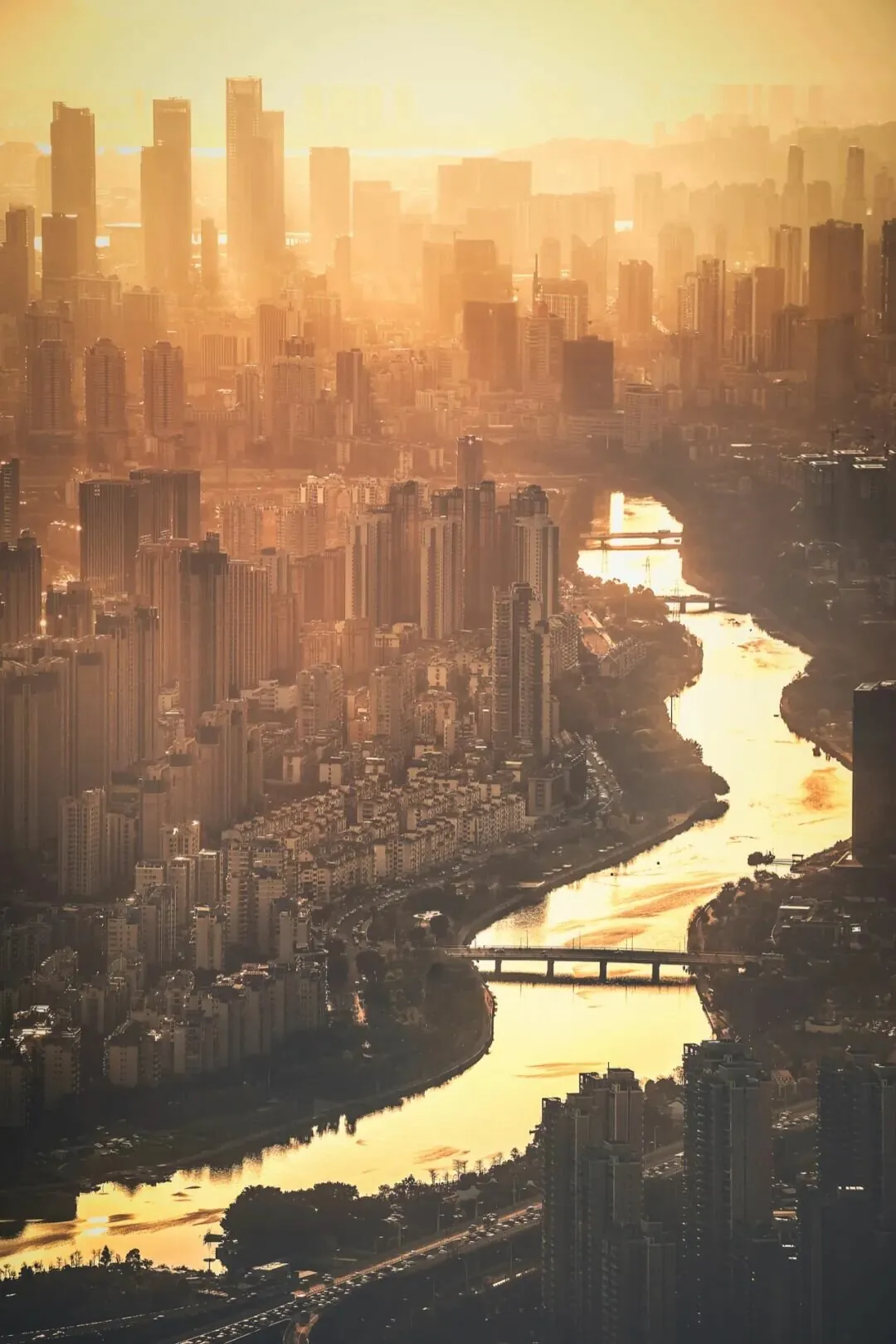
▲ The water network formed by the Minjiang River and its tributaries runs through the urban area of Fuzhou. Photo/VCG
The Minjiang River, like a brave hero, carved out a transportation network in the mountainous kingdom where there were almost no roads. Entering Fujian along the Minjiang waterway, the Fuzhou Basin near the estuary is the largest relay station and undoubtedly the first choice for anyone entering Fujian. Transportation and geography made the Fuzhou Basin the most important落脚点 (foothold) for Central Plains immigrants, culture, and customs in Fujian.
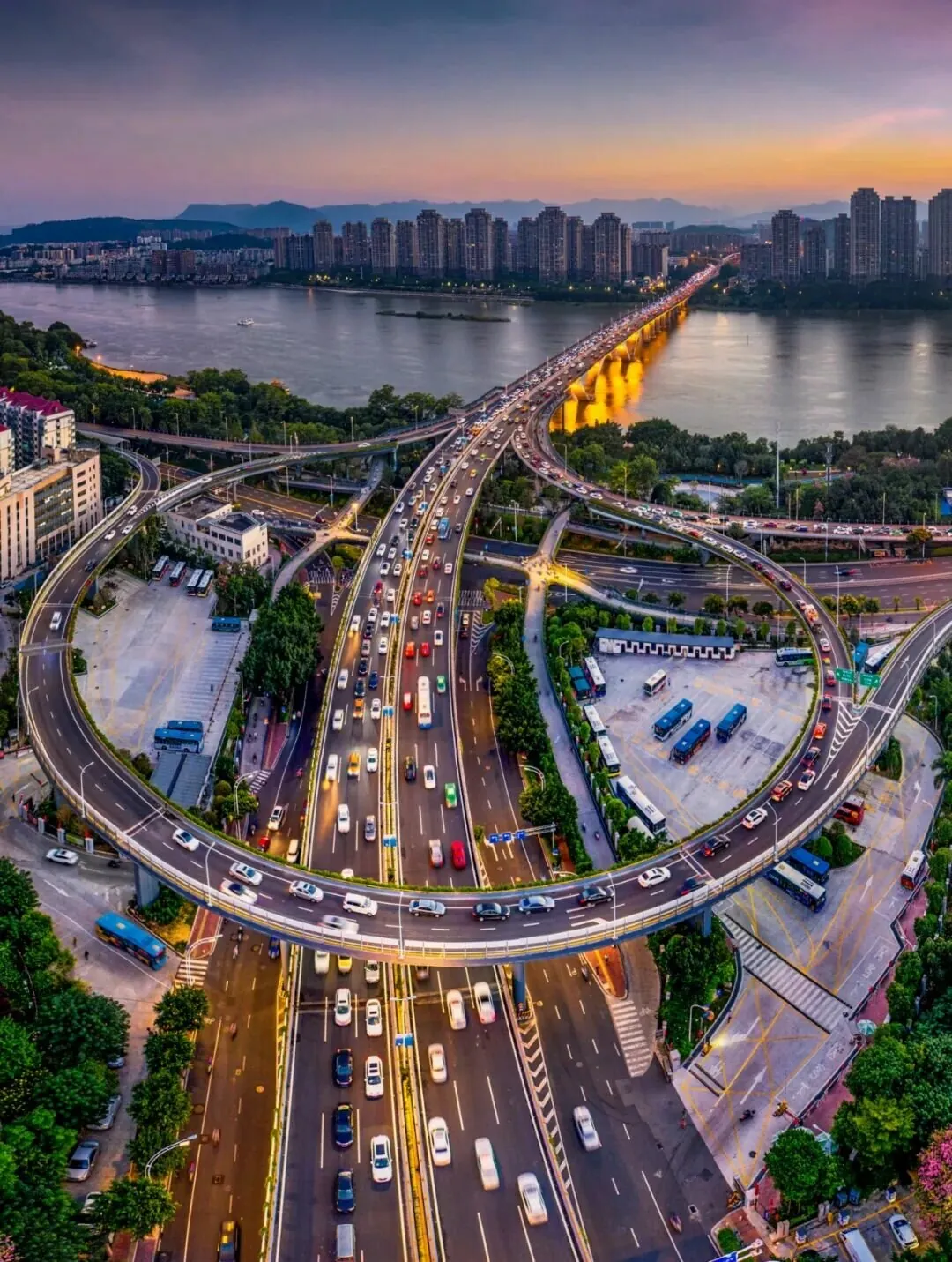
▲ Youxizhou Bridge in Fuzhou, an important transportation hub of the city’s Second Ring Road. Photo/Qiu Jun
With roads, human effort was also essential. Successive Central Plains dynasties emphasized the development and connectivity of Fujian. Although the roads of Fujian were difficult, they did not hinder people’s determination to创业建设 (venture and build). Through the efforts of generations, mountainous Fujian defied the odds and, with the dedication of scholars from the Central Plains and本地 (local areas), became a culturally flourishing “Coastal Zou-Lu” and a prosperous “Land of Abundance.”
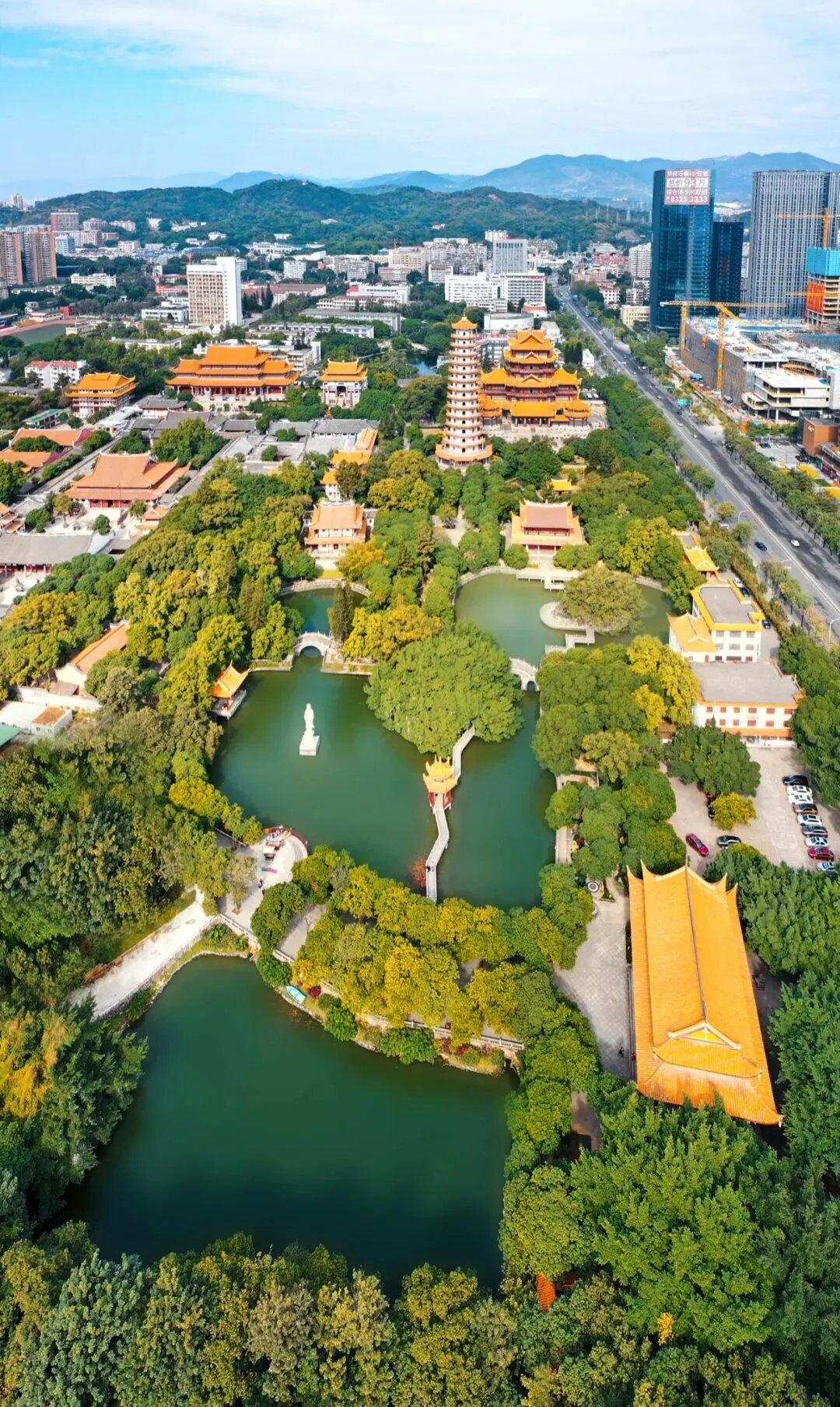
▲ Xichan Temple in Fuzhou, located on Yishan Mountain, “Litchi trees passed down from the Song Dynasty, bell sounds echoing the Tang Dynasty.” Photo/Li Yishuang
Starting from Yecheng (also known as Dongye) in 202 BC, the history of Fuzhou’s city construction began. Thereafter, the city was successively named Ye, Houguan, Minxian, Fengzhou, Quanzhou, and Minzhou. In the 13th year of the Kaiyuan era of the Tang Dynasty, i.e., 725 AD, due to the Fushan Mountain in the northwest, the Minzhou Dudu Fu was renamed Fuzhou Dudu Fu, and “Fuzhou” stepped onto the historical stage.
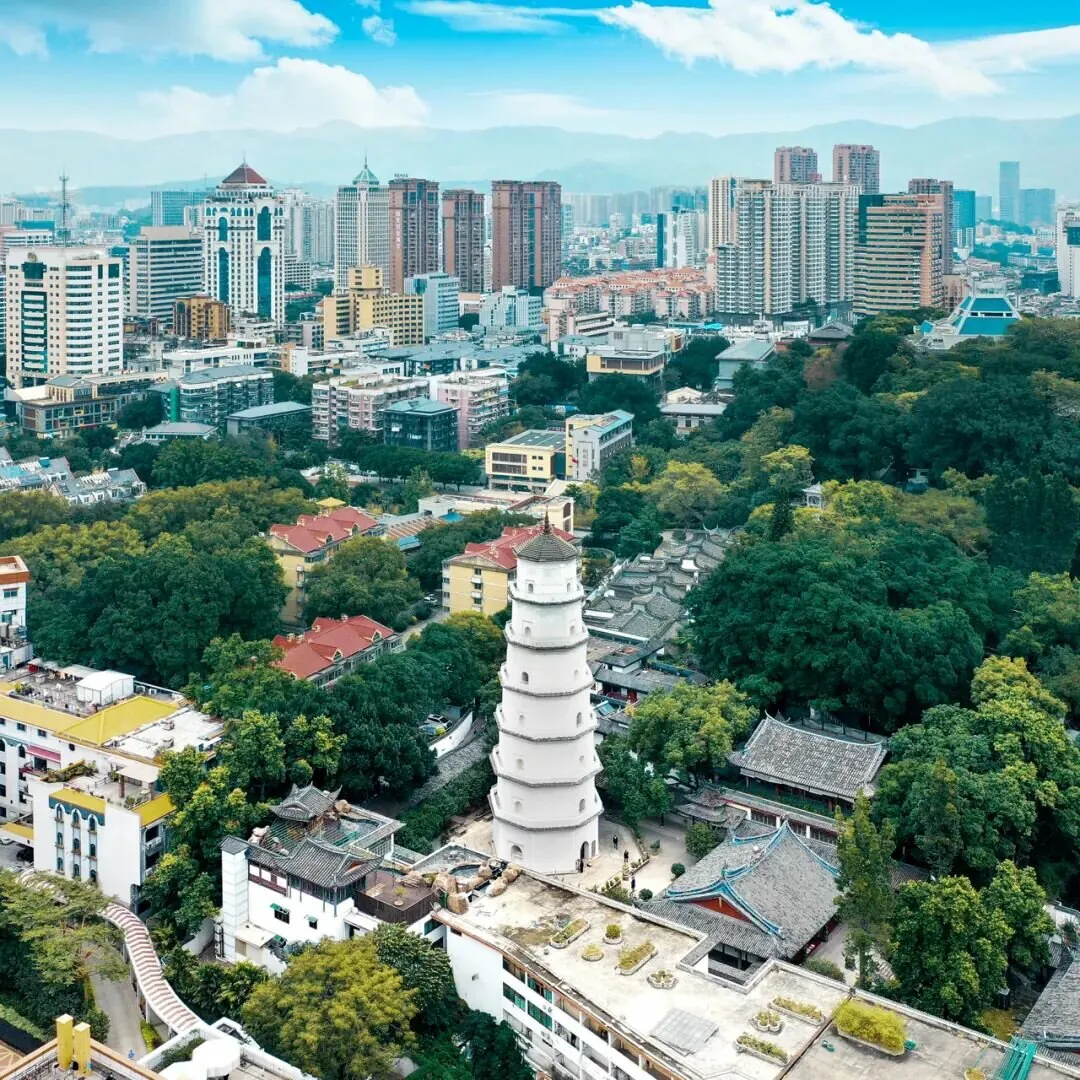
▲ The White Pagoda was built by Wang Shenzhi, the "King of Min", to pray for blessings for his parents. Photo by Li Yishuang
The "land of non-contention" is a relative term and does not mean it lacks value. With the development of the times, technological progress, population growth, and the spread of civilization, Fujian, with its towering mountains and natural barriers, has undergone a subtle yet magnificent transformation.
After the establishment of the Northern Song Dynasty, Fujian not only frequently welcomed renowned scholars from other regions but also cultivated many outstanding local talents. During the Song Dynasty, Fuzhou produced 10 top civil scholars, 11 top military scholars, and 2,247 jinshi (imperial examination graduates).
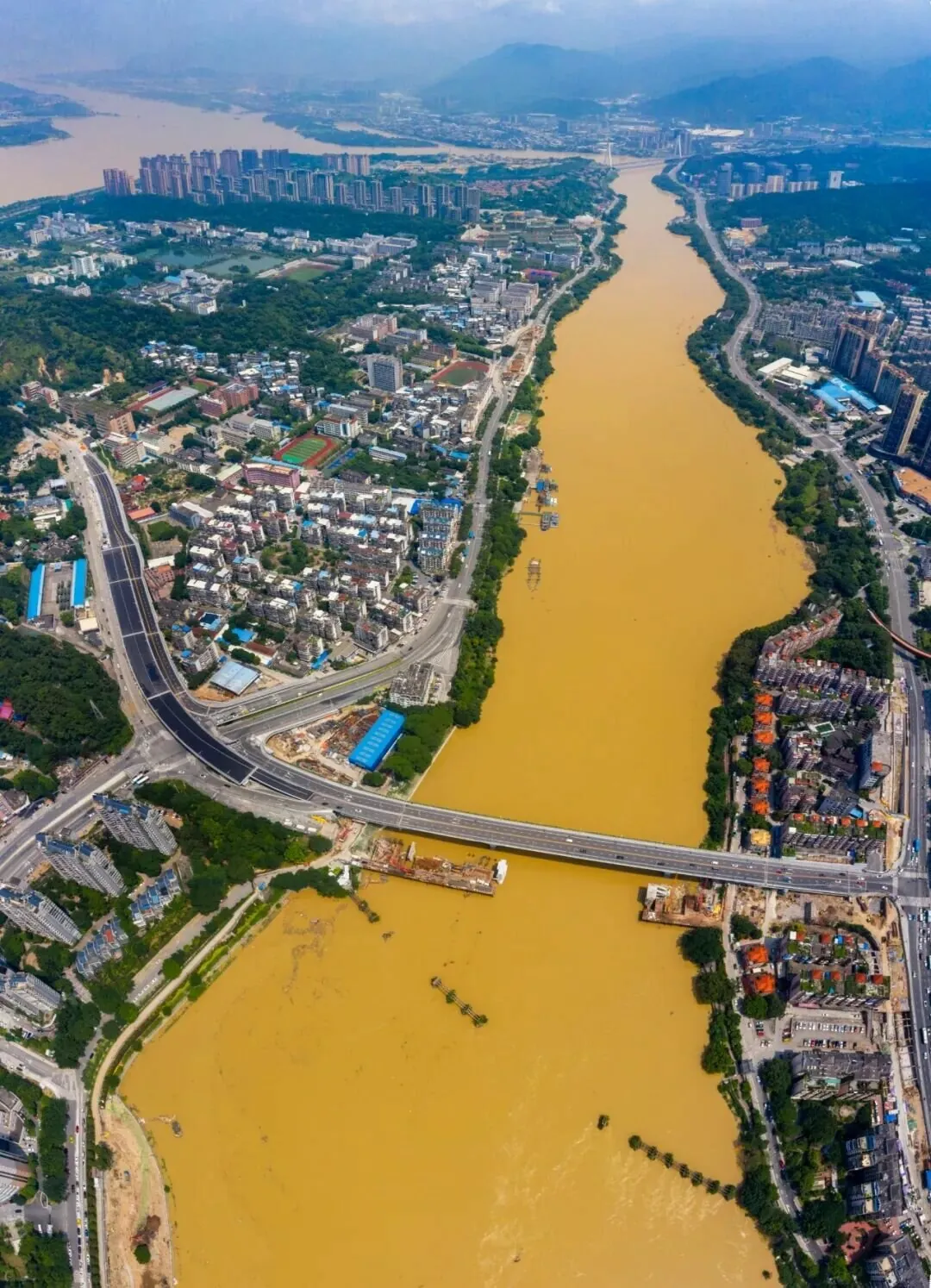
▲ The Fuzhou Hongshan Bridge spanning the Min River is China's longest-span prestressed concrete truss-type T-shaped rigid frame bridge. Photo by Qiu Jun
Inland post roads and water networks made Fuzhou a "land of abundance" during the agrarian era, while the opening of maritime and land routes turned it into a hub for river-sea combined transport. During the Song and Yuan dynasties, Mingzhou (Ningbo) and Quanzhou were among the top ports, while Fuzhou was also an important shipping center, boasting the Min River waterway to the inland that Quanzhou lacked. Starting from the Song Dynasty, Fuzhou had a developed shipbuilding industry. The treasure ships used by Zheng He during the Ming Dynasty for his voyages to the West were famously "Made in Fuzhou," commonly known as Fuchuan.
▲ The Fuzhou Luoxing Pagoda is a landmark of the Min River. From the top of the pagoda, the ports and docks are fully visible. Photo by Qiu Jun
Seafaring vessels also enabled many Fuzhou people to leave the confines of the basin and venture overseas. To this day, there are over 3 million overseas Chinese of Fuzhou origin distributed around the world.
The people of Fujian, "backed by mountains and facing the sea," faced constraints during the Ming and Qing dynasties due to the policy of isolationism. It was not until modern times, when China was forced to open its doors, that Fuzhou, along with Guangzhou, Shanghai, Ningbo, and Xiamen, became one of the "Five Treaty Ports." In the writings of Europeans at the time, Fuzhou was considered the second most important commercial port after Guangzhou:
"The built-up area within Fuzhou city is
three times that of Shanghai and five times that of Xiamen."
Starting in 1845, 17 countries successively established consulates in Fuzhou, and Britain, the United States, France, Germany, and others set up foreign firms around the docks. To this day, on Nantai Island in Cangshan District, from Yantai Mountain to the docks, clusters of buildings in various foreign styles are preserved, making it Fuzhou's "Museum of International Architecture."
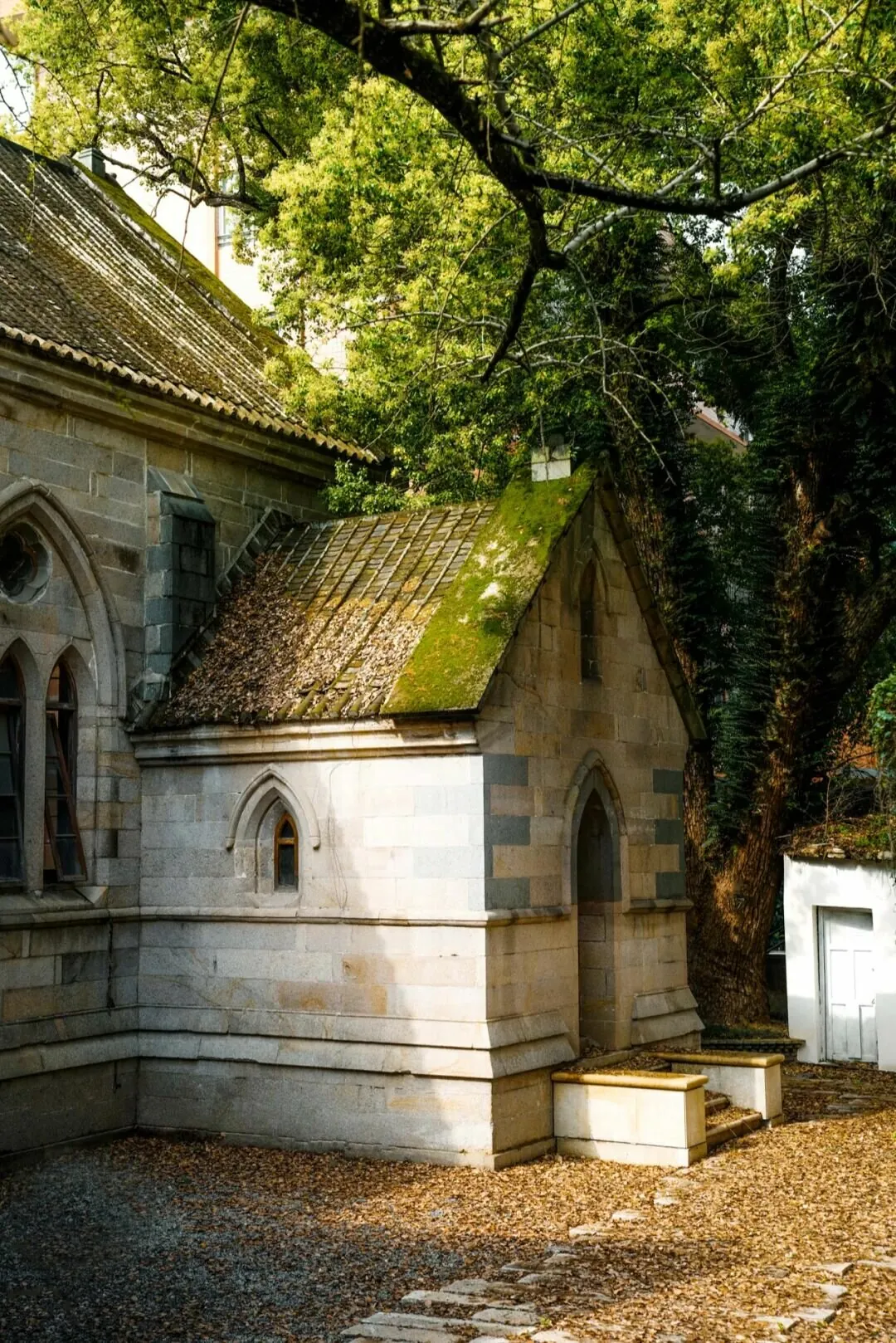
▲ The Stone Church on Yantai Mountain in Cangnan, Fuzhou. Photo by Li Yishuang
The areas valued by foreigners were also noticed by the Westernization Movement officials in the late Qing Dynasty. The Fuzhou Naval Dockyard established in Mawei in 1866 became a base for training modern naval talents and developing national military industries. Subsequently, Fuzhou gave birth to China's first modern naval academy, the first new-style shipyard, the first formal aircraft factory, the first fully-formed naval fleet, the first thousand-ton warship, the first practical steam engine, the first submarine cable, the first searchlight, and more.

▲ Aerial view of the Qingzhou Freight Terminal in Mawei, Fuzhou, which has long been a famous port. Photo/VCG
The Westernization Movement and the opening of treaty ports made Fuzhou one of the most modern cities in China at that time. However, the Battle of Fuzhou during the Sino-French War in 1884 resulted in the complete destruction of the Fujian Fleet and a catastrophic blow to Fuzhou's modernization achievements. Meanwhile, Xiamen, another treaty port in Fujian, leveraged its advantages such as a曲折 coastline, deep-water harbors, and proximity to overseas markets to advance rapidly in modernization. It remains Fujian's largest seaport to this day.
Why did Fuzhou people "not contend" even as Xiamen gained prominence?
"Xiamen of China, Fuzhou of Fujian"—on the surface, this reflects the rivalry between two cities, but behind it lies the harmony in diversity of two cultures. While relatively independent geographical units shaped Fujian, they also gave rise to its unique dialect, "Min language," commonly known as the Fujian dialect.
However, the internal topography and river systems of Fujian are highly fragmented, with mountains and rivers intersecting perpendicularly, dividing the land into "grids." These grids further subdivide the Min language into multiple dialect regions: Eastern Min, Central Min, Southern Min, Northern Min, Shaojiang, and Puxian.
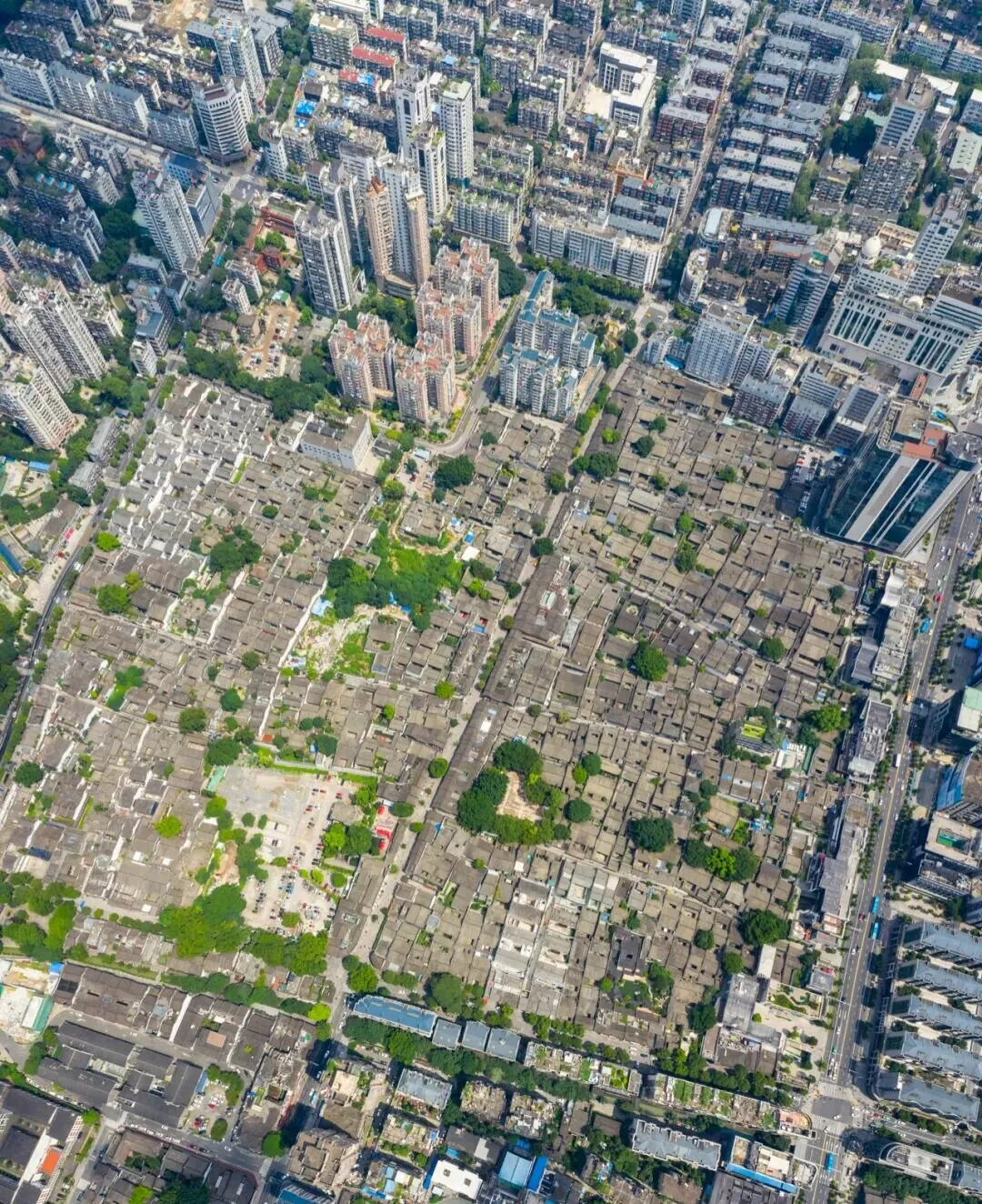
▲ Old houses with gray-blue roofs arranged like a chessboard. Photo/VCG
Though everyone shares the "Min" surname, their accents vary greatly. If you ask a Fuzhou native to sing "Three parts destiny, seven parts striving" or say "gong xia mi" (what are you saying), you will likely receive countless eye rolls. Similarly, if you say "ya ba hu jiu ren" (Fuzhou people are awesome) in front of a Xiamen native, you won't get a favorable reaction.
In the eyes of Fuzhou locals: the essence and heritage of a city must be savored slowly—a millennia-old ancient city doesn’t need to show off like the young upstart Xiamen! One of Fuzhou’s proudest boasts is: whatever international flair Xiamen has, Fuzhou has too; but the classical heritage Fuzhou possesses, Xiamen does not!
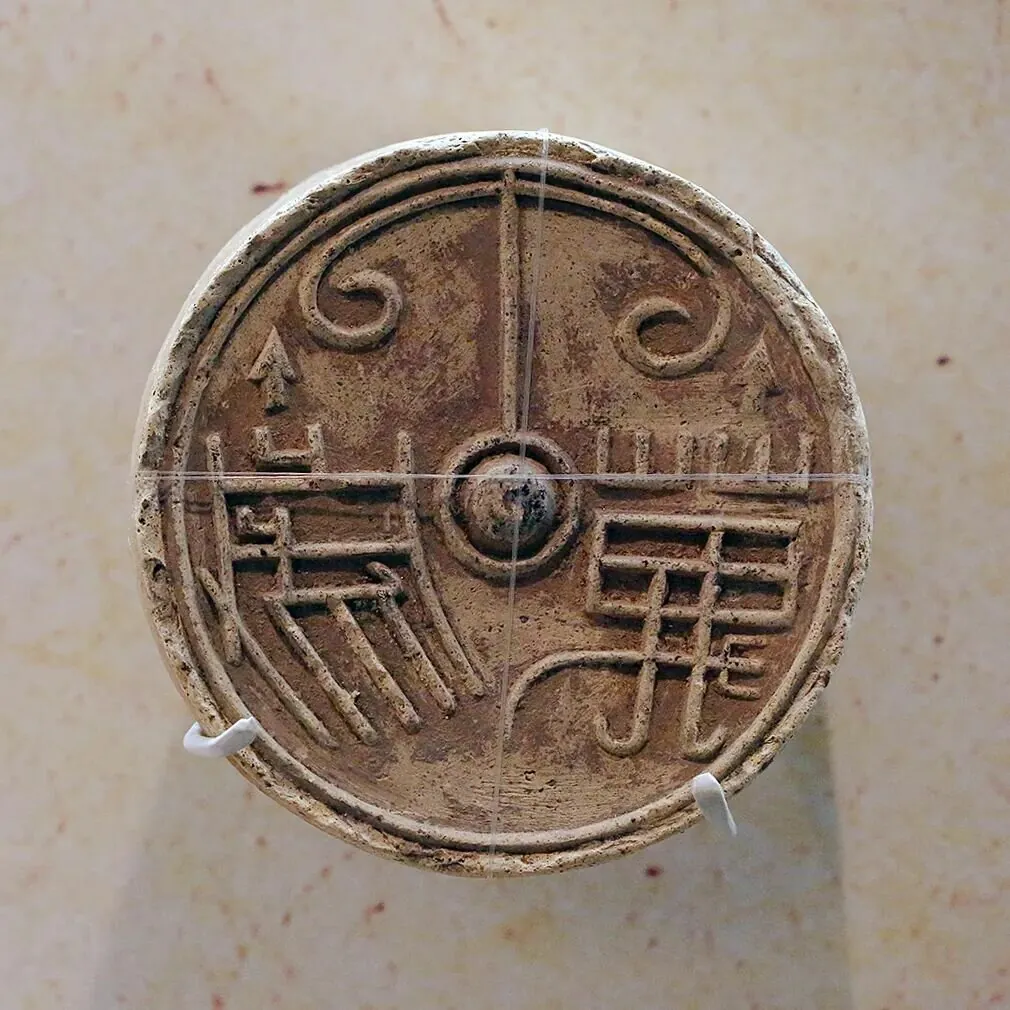
▲ Han Dynasty eaves tile unearthed in Fujian, inscribed with the characters "Wan Sui" (Long Live). Photo/ Arterial Shadow
The entire Fuzhou Plain or Fuzhou Basin covers an area of 489.1 square kilometers, making it the second largest plain in the province after the Zhangzhou Plain. Its panoramic view resembles a diamond, with Fuzhou city situated at the center, surrounded by mountains on four sides like a four-fold screen—Drum Mountain to the east, Flag Mountain to the west, Five Tiger Mountain to the south, and Lotus Peak to the north. Within the plain, there are gently rolling hills such as Wu Hill, Cangqian Hill, Huang Hill, and Gaogai Hill, scattered like green stars. This is exactly what the Fuzhou folk saying describes:
"Three mountains hidden, three mountains visible, three mountains unseen."
The screen-like green mountains are further adorned by the Min River, winding like a jade belt. Flowing from the rugged mountains, the Min River cuts diagonally through the central part of the plain, splitting and reuniting around Nantai Island. The northern branch around Nantai Island is still called the Min River or North Port, while the southern branch is known as the Wulong River or South Port. Tributaries such as Dazhang Stream, Shanggan Stream, Yingqian Stream, and Xindian Stream feed into the Min River, forming a dense network of waterways across the plain.
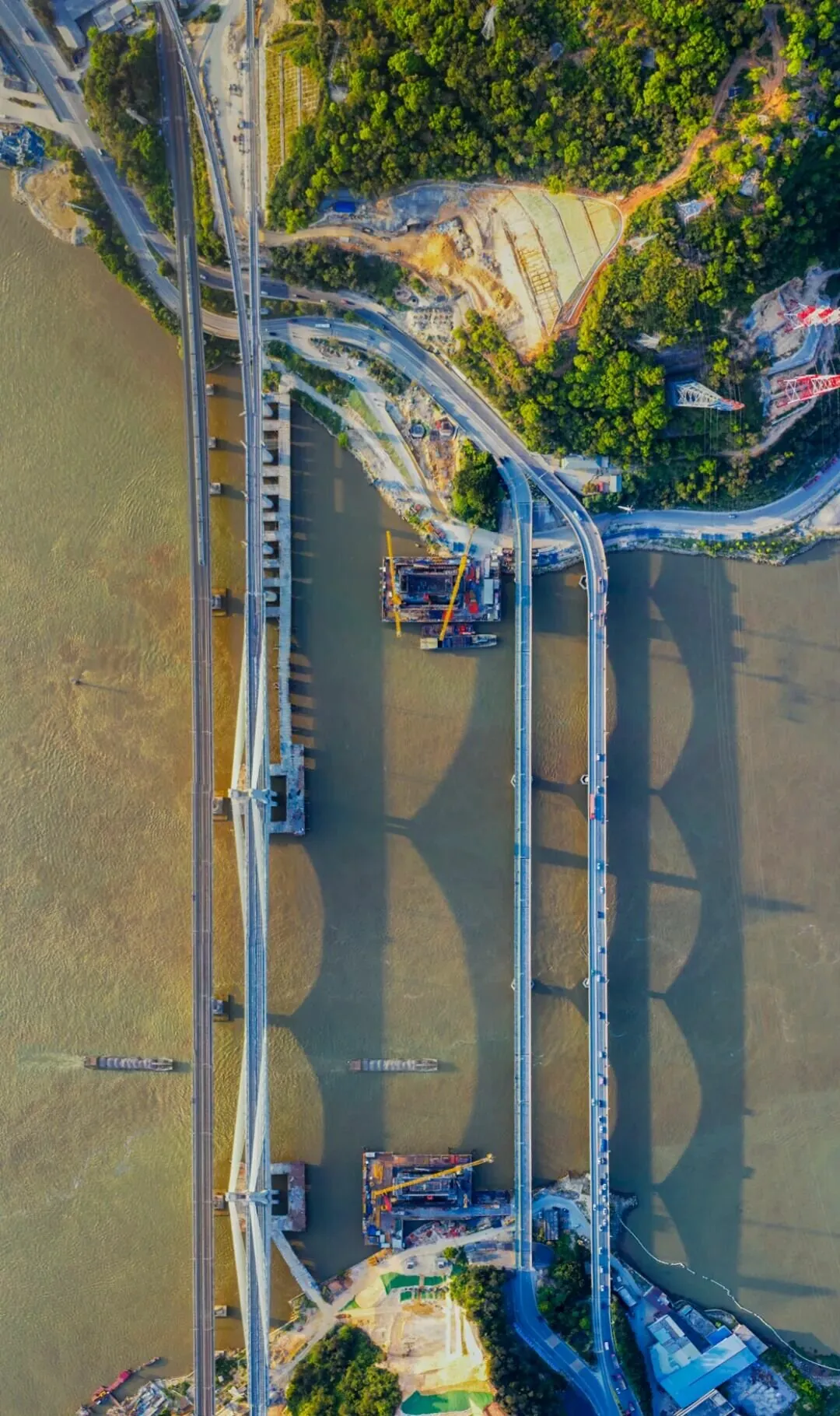
▲ Wulong River Bridge, turning a natural chasm into a thoroughfare. Photo/ Qiu Jun
As the capital of the Min region, Fuzhou served as the dissemination center for Central Plains culture after it entered Fujian. Elegance and classicality became the cultural genes of the "Coastal Zou-Lu" (a reference to Fuzhou as a center of culture and learning). Zhu Xi, who traced his ancestry to Huizhou but was born in Youxi, Fujian, visited Fuzhou more than ten times and established Neo-Confucian academies there. The inscription "Heavenly Wind and Sea Waves" atop Drum Mountain comes from one of Zhu Xi’s poems.
Although the ancient city walls are gone, over a thousand years of classical heritage still permeate the land of Fuzhou:
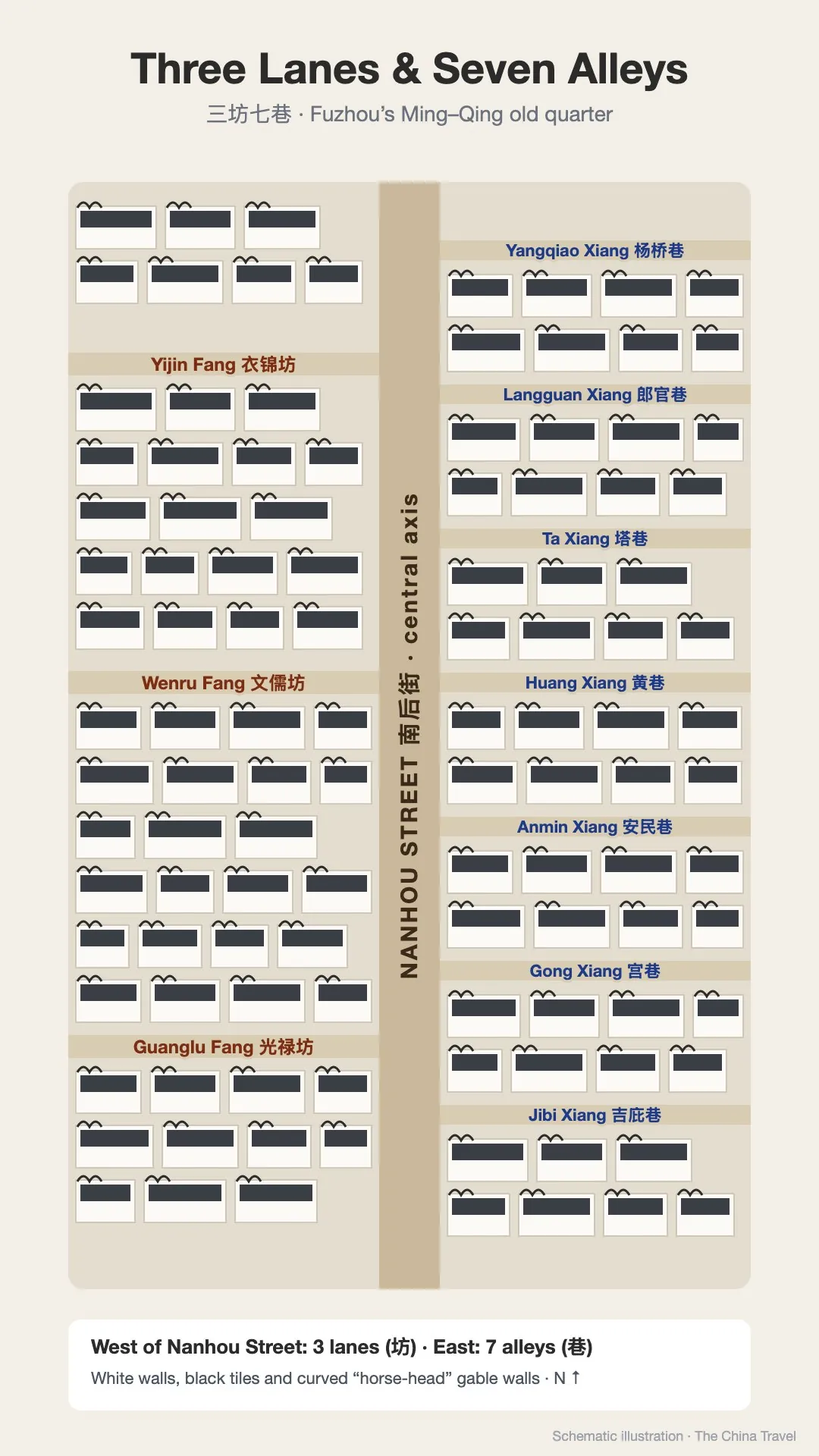
▲ Nanhou Street serves as the central axis, running through the Three Lanes and Seven Alleys. Illustration/ F50BB
The Three Lanes and Seven Alleys, which began construction in the Jin Dynasty, took shape in the Tang and Song Dynasties, and flourished in the Ming and Qing Dynasties, is the best-preserved ancient street layout in a main urban area in China.
The main hall of the Hualin Temple from the Song Dynasty is the oldest preserved wooden structure in southern China.
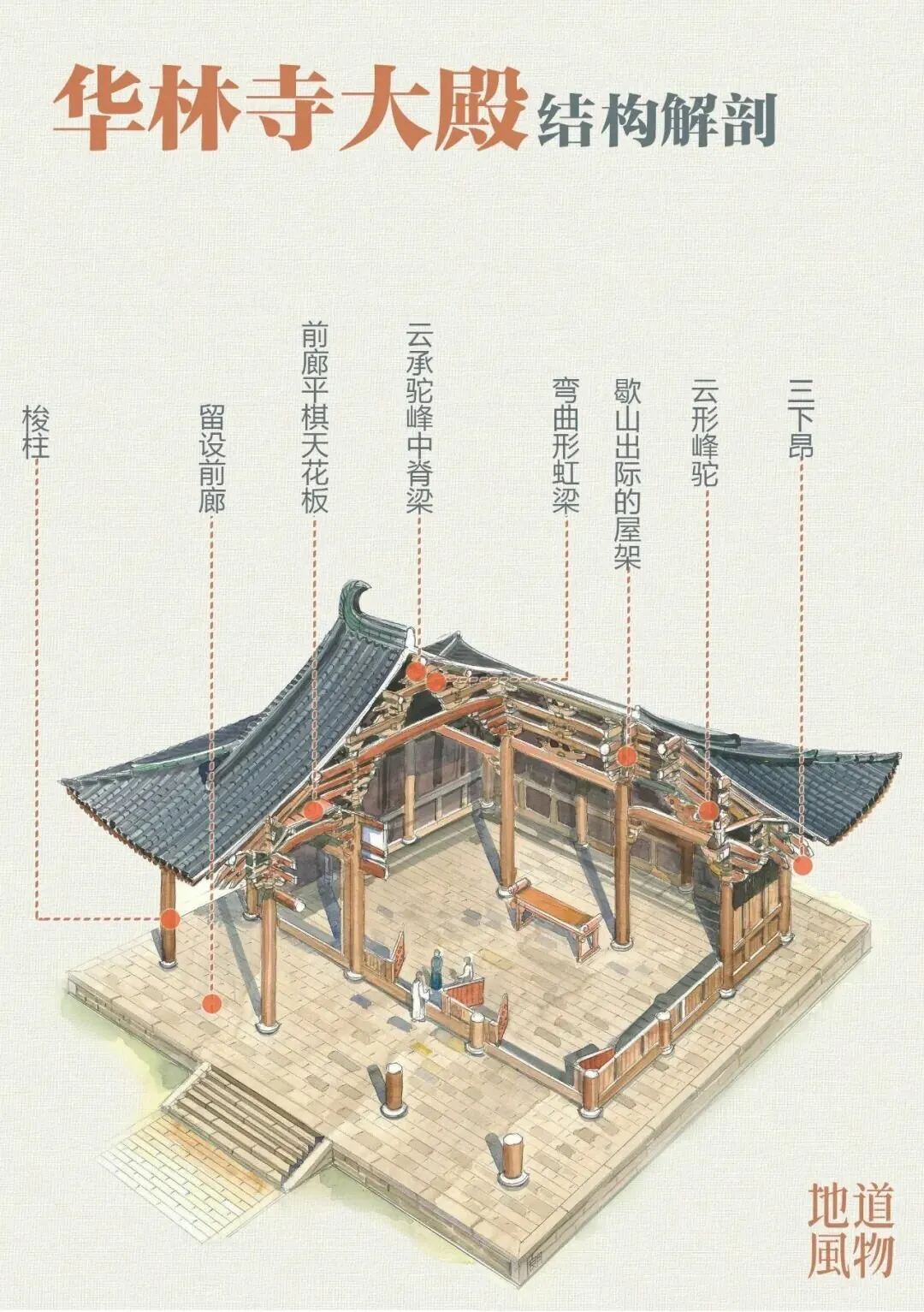
▲ Main hall of Hualin Temple, first built in 964 CE. Illustration/ Li Qianlang, Annotation/ Quan
The Honglincuo in Minqing is the largest and most complete single ancient residential building in the country.
▲ Eastern Fujian courtyard, with large houses enclosing smaller ones. Illustration/ Li Qianlang, Annotation/ Quan
In terms of architectural style, the iconic saddle-shaped firewalls of Eastern Fujian are a variation of the horse-head walls of Jiangnan. The combination of "white walls and black tiles" reflects elegance and restraint. Even the city landmarks, the Black Pagoda and White Pagoda, echo the ink-wash tones of Jiangnan, forming a sharp contrast with the flamboyant red-brick houses of Southern Fujian.
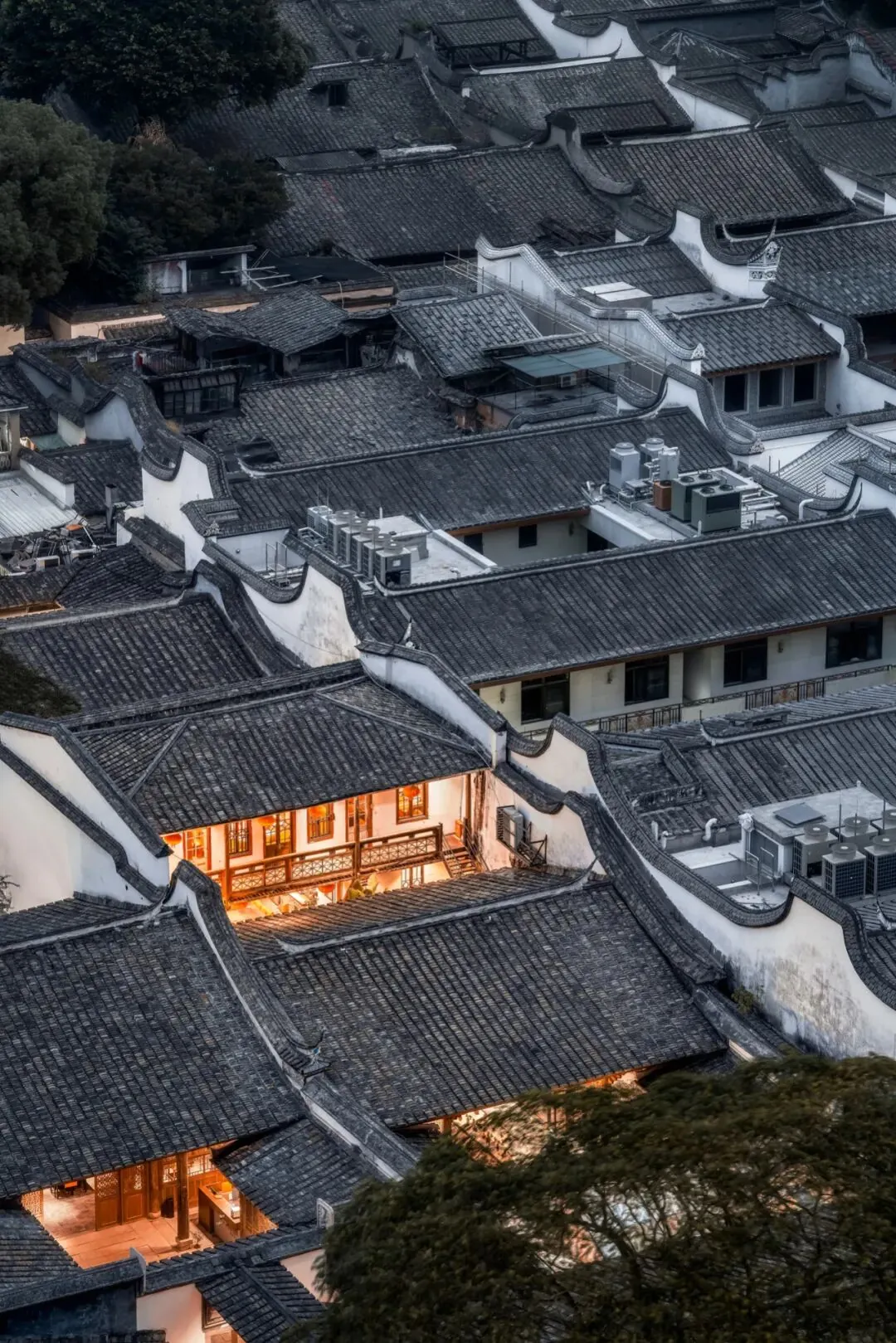
▲ Three Lanes and Seven Alleys, with white walls and black tiles. Image/ Visual China Group
This restraint in Fuzhou does not equate to conservatism but is more like "hiding one’s inadequacies."
At historical turning points where circumstances create heroes, the sons and daughters of Fuzhou, emerging from the elegant lanes and grand residences, never shied away from the "Eastward Spread of Western Culture": Lin Zexu, who advocated "opening eyes to the world" and oversaw the destruction of opium at Humen; Shen Baozhen, who managed the Fuzhou Shipyard and founded the Nanyang Navy; Chen Baochen, a late Qing minister and tutor to the last emperor; revolutionary martyrs Lin Juemin and Lin Yinmin; renowned modern naval commander Sa Zhenbing; translation pioneers Yan Fu and Lin Shu; and talented women writers Lin Huiyin and Bingxin—all were from Fuzhou.
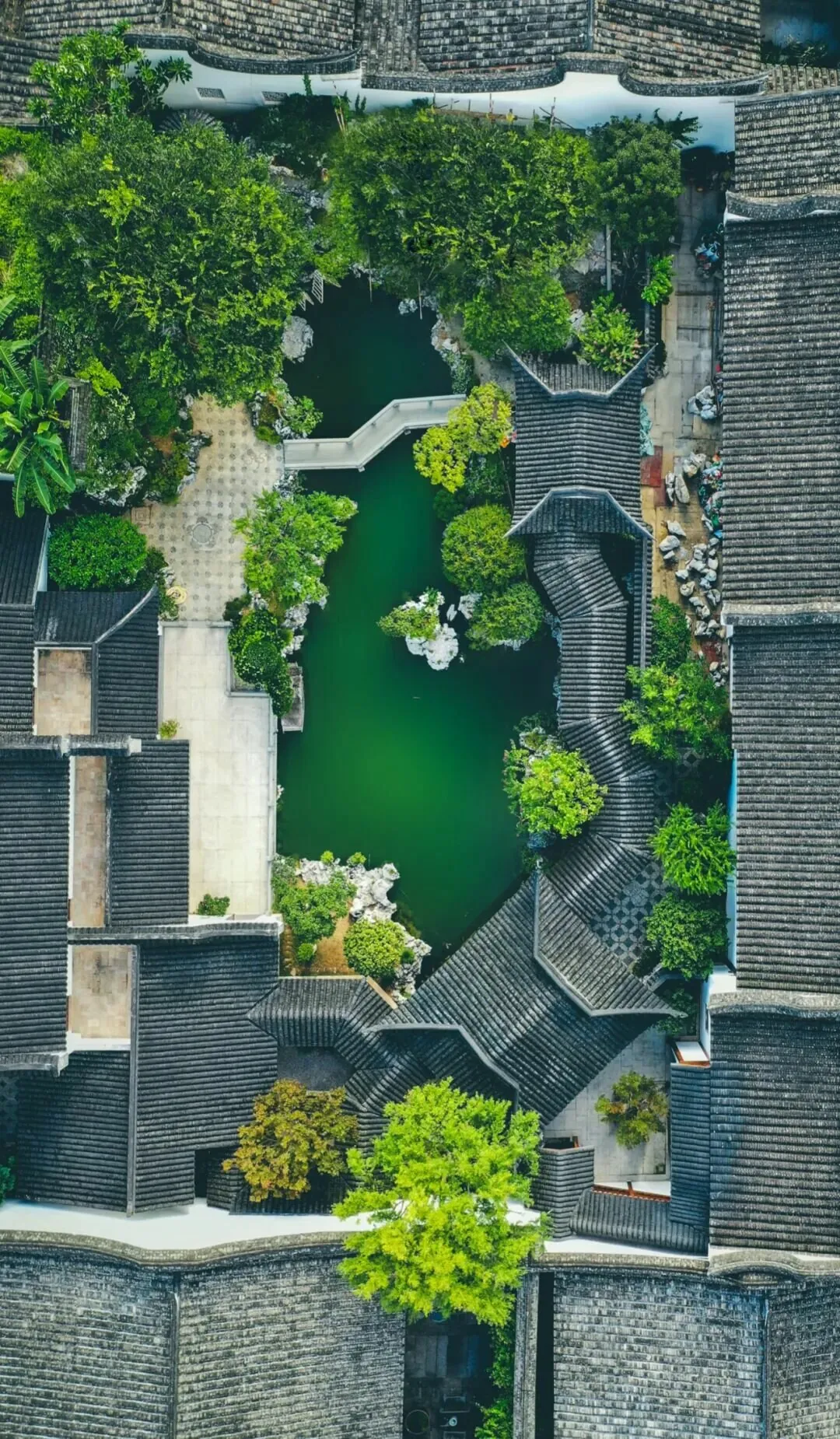
▲ Inside and outside the courtyard, winding paths lead to serene spots. Photo/ Li Yishuang
Beyond being skilled in both literary and martial arts, Fuzhou people also possess a strong business acumen. From ancient times to the present, Fuzhou natives have left their footprints across all five continents.
Modern Fuzhou continues to produce many business stars. Domestically, there are Cao Dewang, Huang Qisen, and the Zhang Xuan Song brothers; overseas, there are Robert Kuok and Wen Jing Lin. Industrial Bank, one of the Fortune Global 500 companies, is headquartered in Fuzhou. Fuyao Glass, founded by Fuqing native Cao Dewang, is China's largest and the world's second-largest automotive glass supplier. Yonghui Superstores, founded by the Zhang Xuan Song brothers in Fuzhou, now operates in 26 provinces across China.
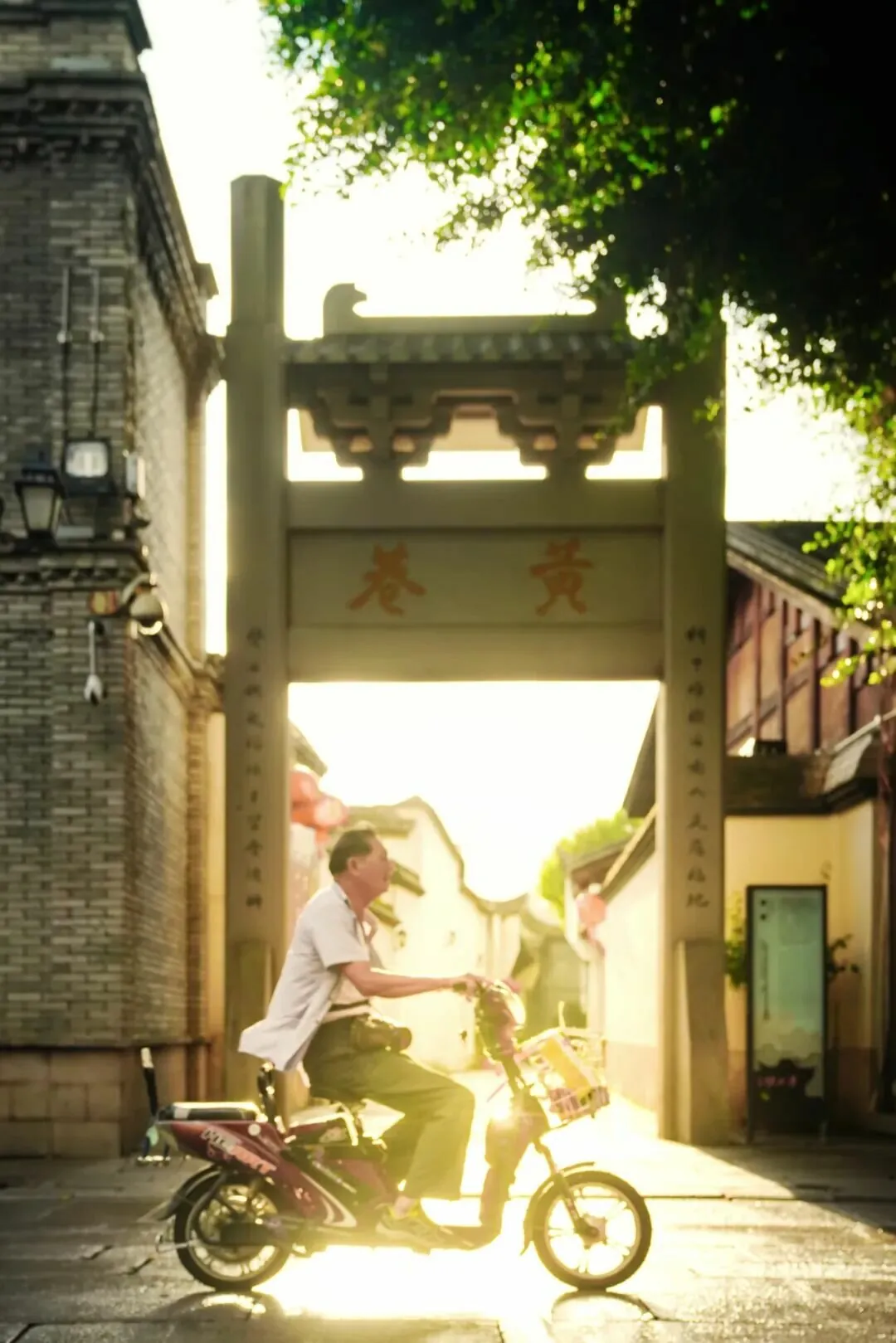
▲ Huangxiang in the Three Lanes and Seven Alleys. Huang is a traditional major surname in Fuzhou. Photo by Li Yishuang
Every Fuzhou native living away from home leads a low-key life in a foreign land, but in their hearts, there is always an indelible nostalgia, as reflected in the local Fuzhou saying:
"Wandering far and wide, never leaving Fuzhou behind."
Upon returning to their hometown, they will eagerly head to a "hot spring bathhouse" to enjoy the comfort of the Hot Spring Capital, visit Pei Xian Gong, Luoxing Pagoda, Xiangji Temple, Zhuzi Fang, and the Forest Park to admire every towering ancient banyan tree; stroll along the willow-lined embankments of West Lake Park, the ancient docks of Shangxia Hang, and the "Fudao" trail that runs through major parks; overlook the CBD nightscape from Wusi Road, and experience creative sparks at "Fuzhou 798" – Shaoyuan No.1.
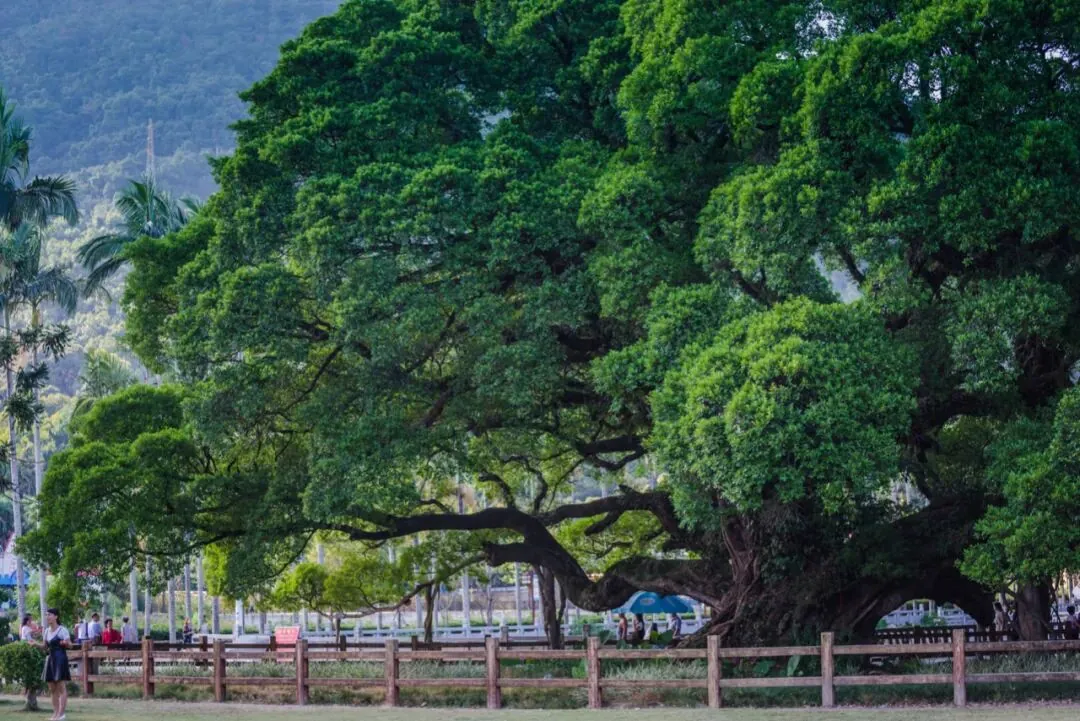
▲ A thousand-year-old banyan tree. Photo/VCG
After a tiring stroll, nothing soothes fatigue better than hometown delicacies: savor a bowl of Guobianhu, take a bite of Rouyan, enjoy a bowl of shrimp oil Lao Hua, or simply order a Guangbing from a street stall, stuffed with local red fermented pork, and relish the taste.
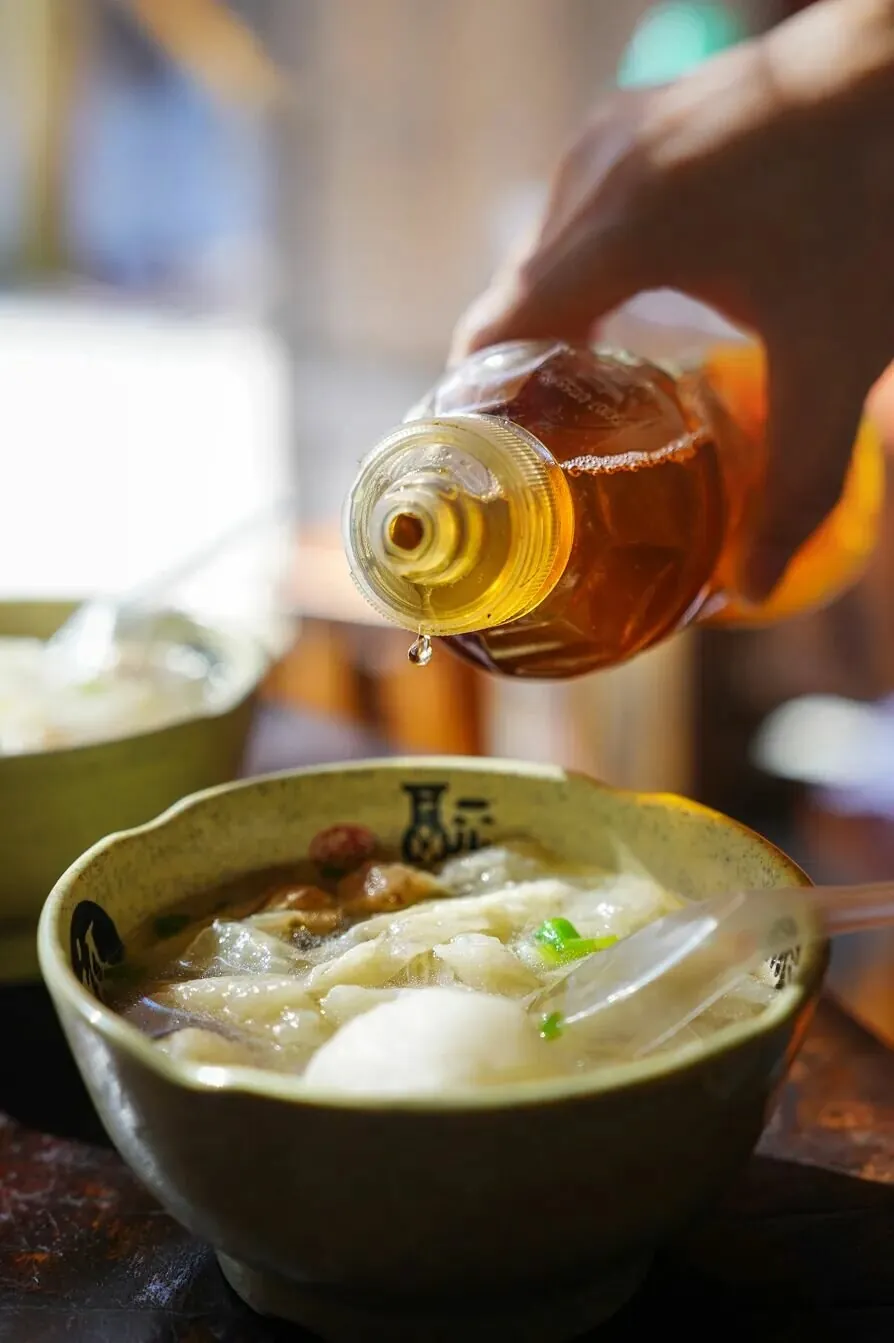
▲ A bowl of fish balls and Rouyan is the shared nostalgia of 7.8 million Fuzhou natives. Photo by Li Yishuang
In the face of Xiamen's prominence, the people of Fuzhou, like the city's banyan trees, choose not to compete, silently taking root and quietly growing into a forest alone.
Through mountains and seas—how vast is "Greater Fuzhou"?
Beyond the basin lies a broader, more magnificent Greater Fuzhou—a three-dimensional sculpture composed of mountains, rivers, the city, the sea, and islands.
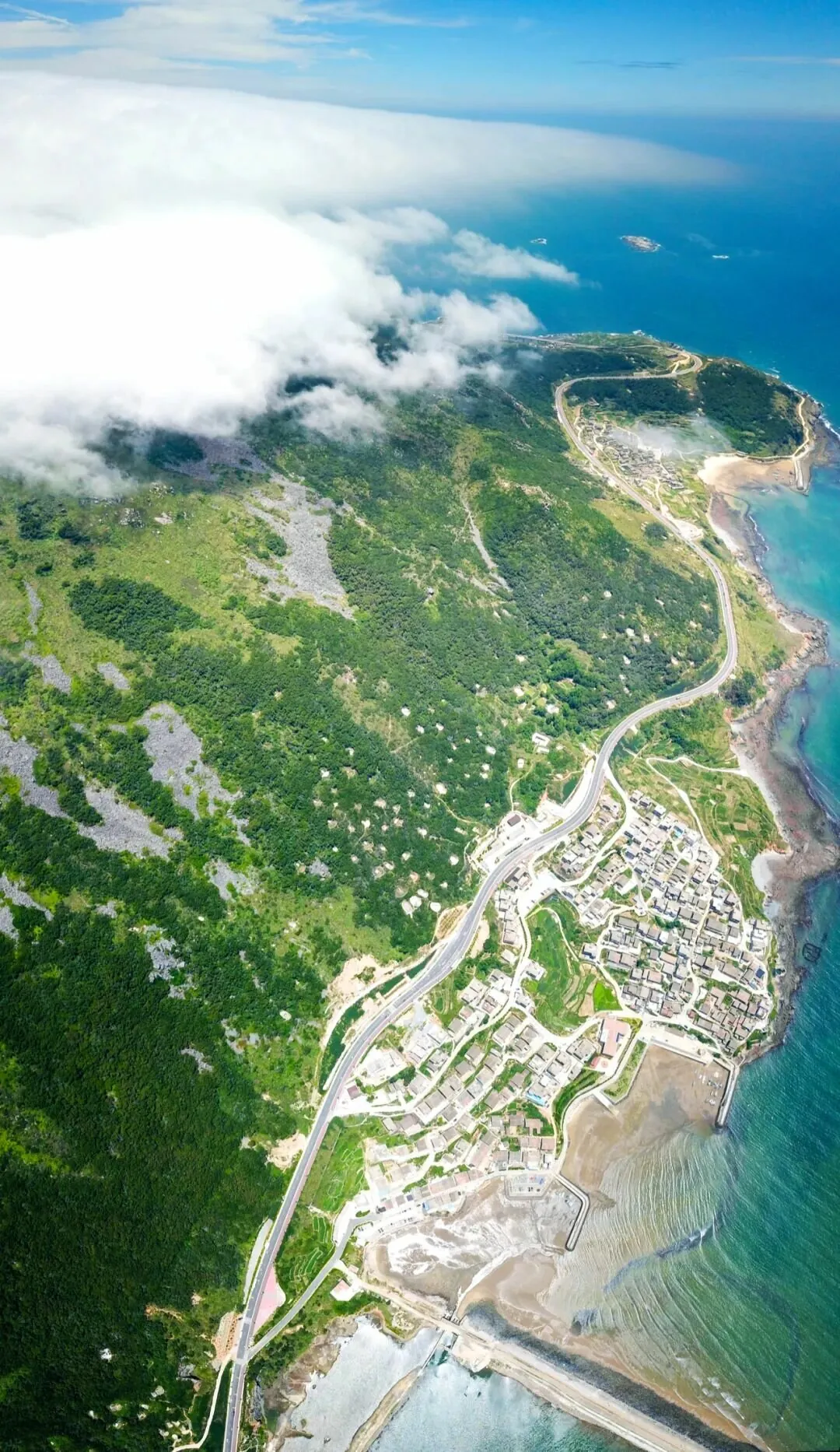
▲ Under the blue sky, the azure sea and green mountains embrace the ancient villages of Pingtan Island, creating a fairy-tale world. Photo by Li Yishuang
From west to east, beyond the Min River Estuary where mountains and seas intertwine, lies another facet of Fuzhou: the two flanks of the estuary feature a jagged, zigzagging coastline, while the deep blue sea is dotted with pearl-like islands. The most prominent is Haitan Island, the largest island in Fujian Province and the fifth largest in China. Along with 125 other islands and 648 reefs, it forms the "Pingtan Archipelago."
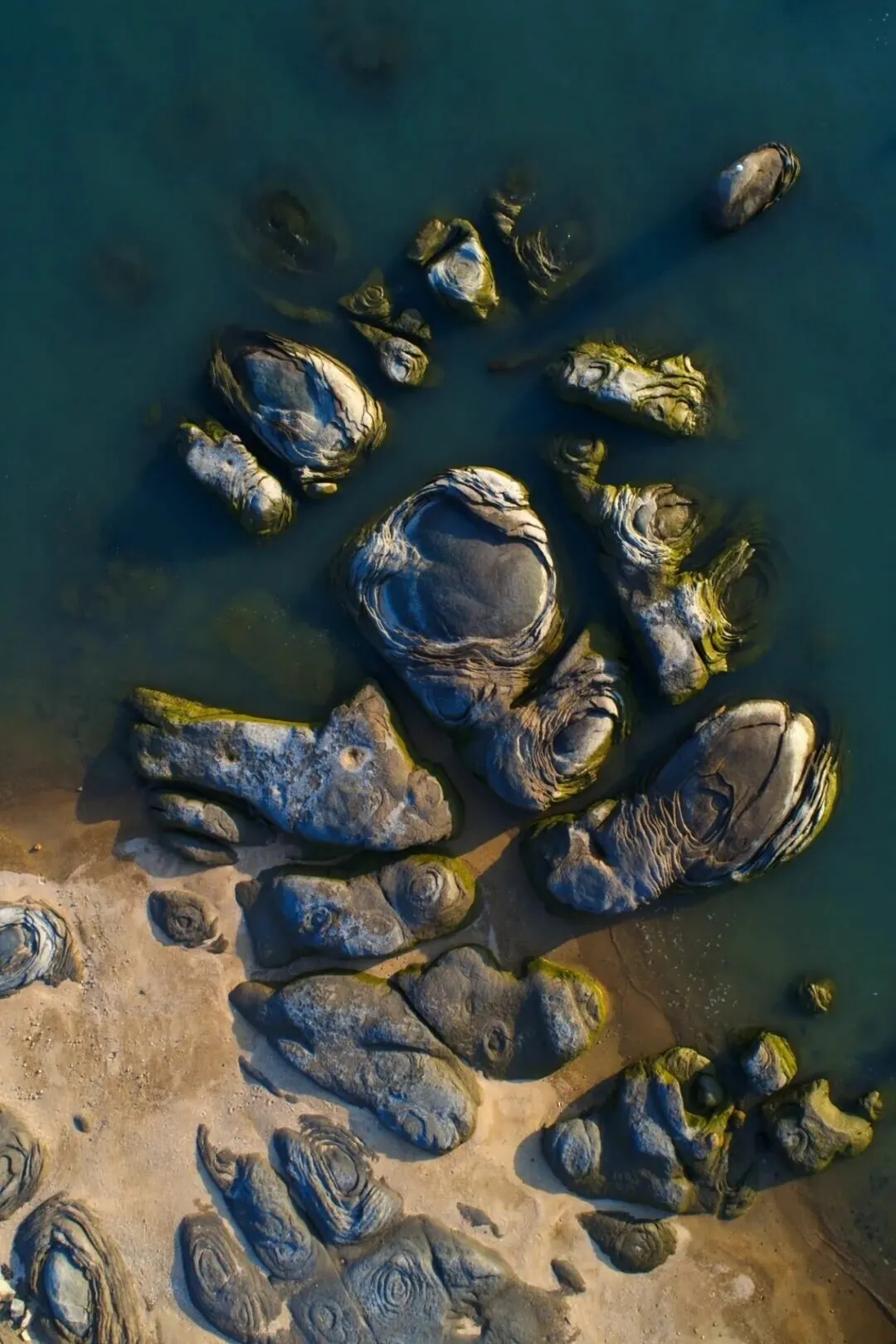
▲ The natural "Stone Peony" on Haitan Island, the "Museum of Sea Erosion Landforms." Photo by Feng Mubo
Any sculptor or painter visiting Pingtan would be awed by the wisdom of nature. The archipelago is composed of granite shaped over hundreds of millions of geological years, transformed by the ebb and flow of seawater erosion and marine dynamics into a rare "Museum of Sea Erosion Landforms."
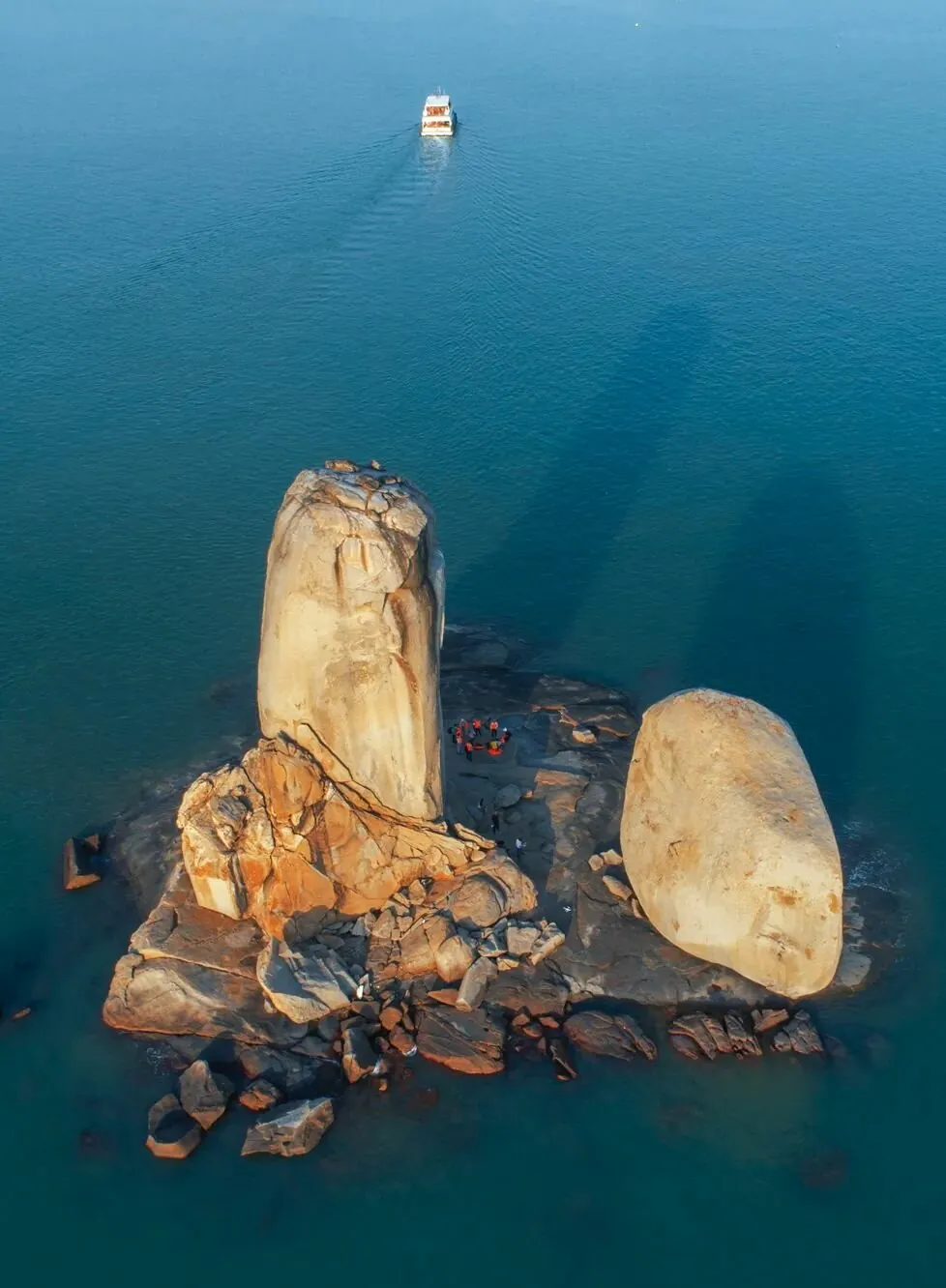
▲ The Sail Stone on Pingtan Island, also known as "Half Yang Stone Sail." Photo by Feng Mubo
Here lies China's largest granite sea erosion pillar—two massive rocks standing in the ocean like frozen sails, known as the "Half Yang Stone Sail." There are also lifelike human-shaped giant rocks, with their heads resting on the sand and feet stretching into the sea, called the "Haitan Tian Shen" (Sea Altar Heavenly Deity).
Pingtan's specialties are stones and typhoons.
Such an environment has given rise to unique, locally adapted dwellings—stone houses (Shi Cuo). Built primarily from the island's abundant granite and volcanic rock, these houses feature colorful roofs and walls, resembling vibrant castles. Compared to the quaint and serene Xiamen, these simple yet beautiful houses lack an air of tranquil ease but embody a resilient spirit forged in battles against wind, sand, and sea breezes.
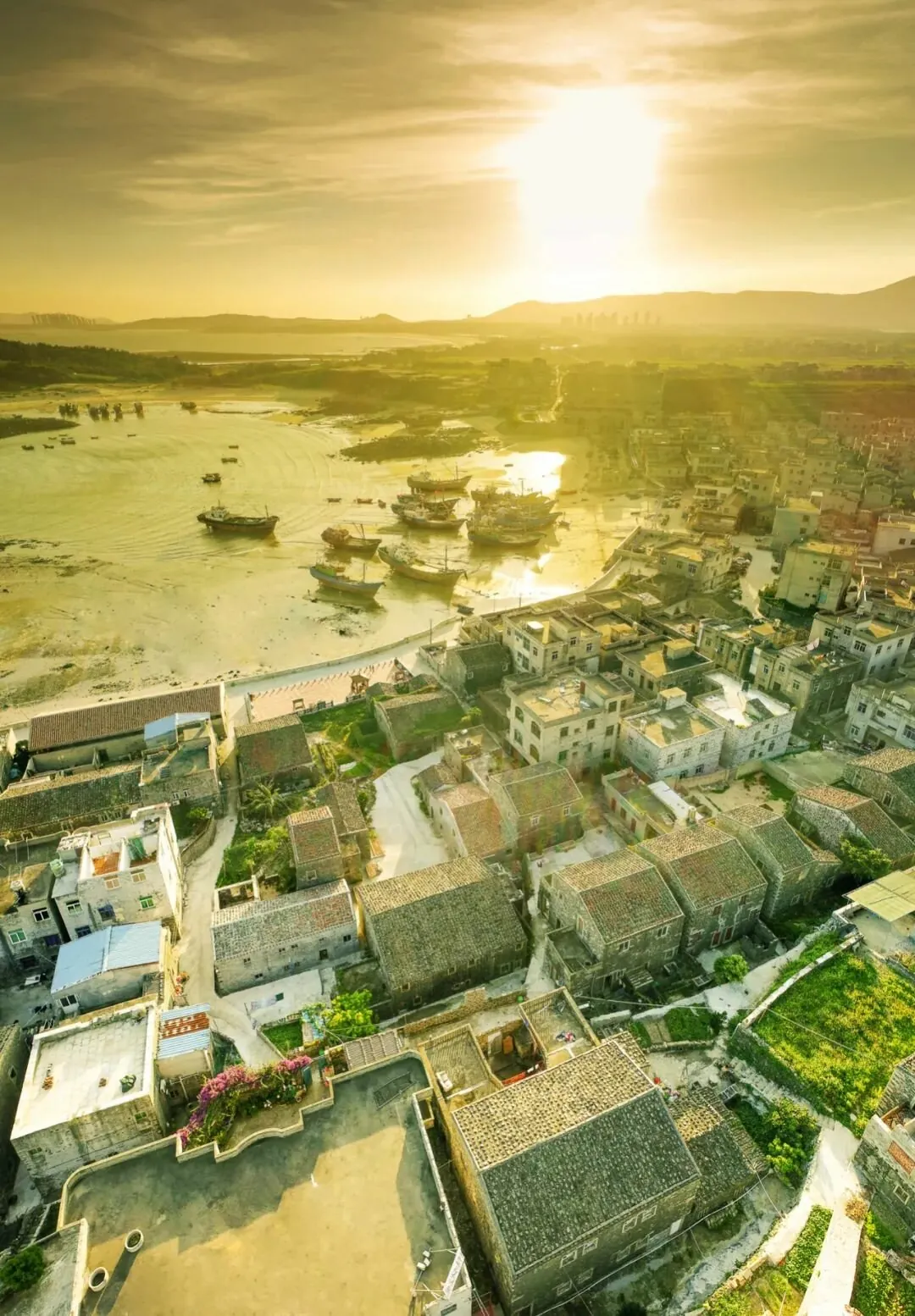
▲ The distinctive stone houses (Shi Cuo) of Pingtan resemble colorful castles. Photo by Li Yishuang
In December 2020, the Fuping Railway, long awaited by the people of Pingtan and connecting Fuzhou's main city with Pingtan County, commenced operation. From then on, a vibrant "Greater Fuzhou" was finally integrated as one.
In the future, Fuzhou will undoubtedly carry "Yaba" through to the end!
🔍 Explore More
Why Fuzhou?
Atlas of Chinese White Tea